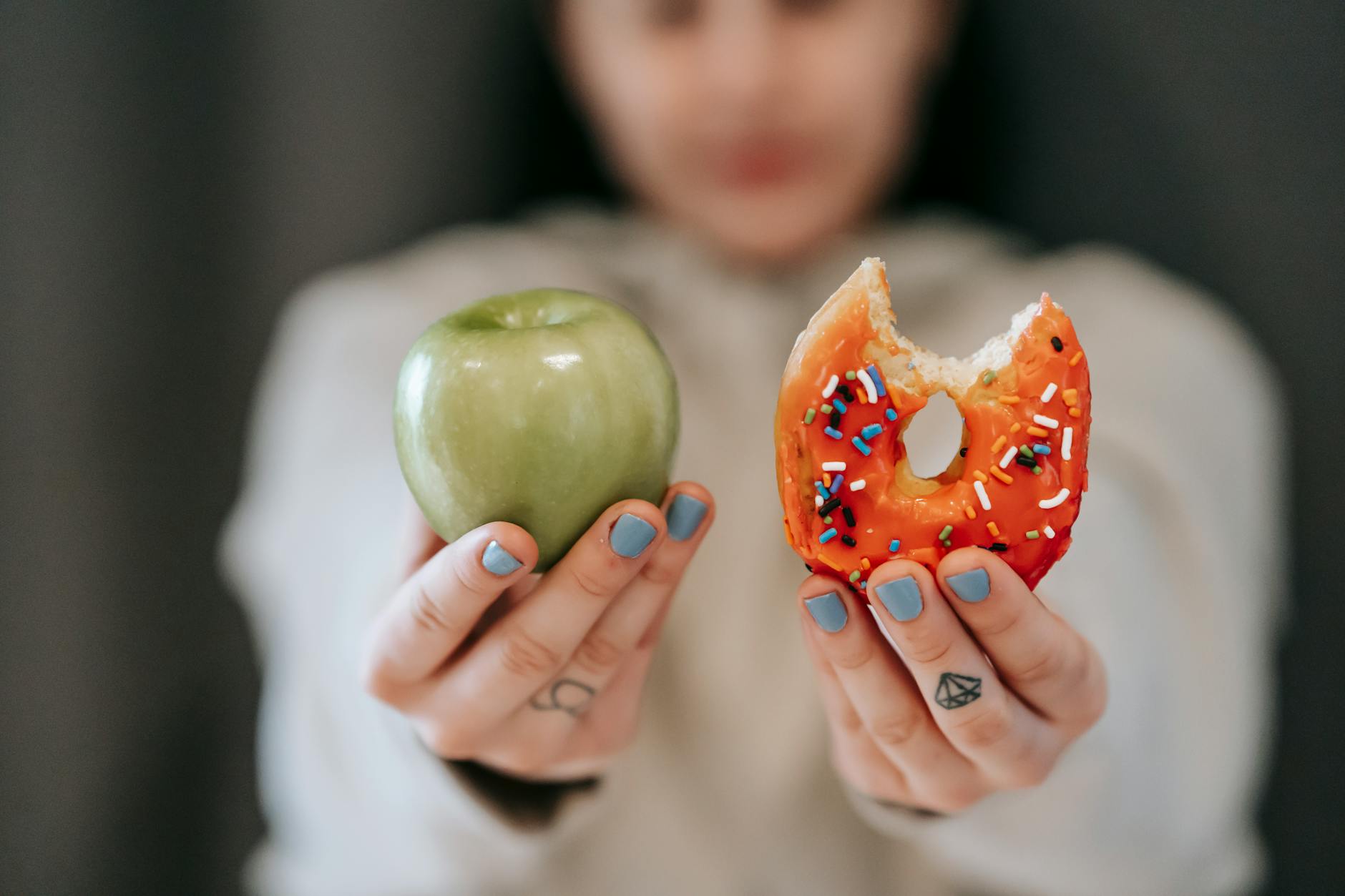
Intermittent fasting isn’t a diet. It’s a schedule.
You’re not changing what you eat. You’re changing when you eat.
This guide covers everything — from the science to the practice.
What Is Intermittent Fasting?
Intermittent fasting (IF) cycles between periods of eating and not eating.
You already do this. It’s called sleeping.
IF extends that natural fast.
Common protocols:
- 16:8 — Fast 16 hours, eat in 8-hour window
- 18:6 — Fast 18 hours, eat in 6-hour window
- 20:4 — Fast 20 hours, eat in 4-hour window
- OMAD — One meal a day
- 5:2 — Eat normally 5 days, restrict calories 2 days
The Science: Why Fasting Works
1. Insulin Drops
When you eat, insulin rises. Insulin tells your body to store fat.
When you fast, insulin drops. Your body can access stored fat for energy.
Translation: Lower insulin = easier fat burning.
2. Growth Hormone Increases
During fasting, human growth hormone (HGH) increases up to 5x.
HGH helps preserve muscle mass while burning fat.
3. Cellular Repair (Autophagy)
After 16-24 hours of fasting, your cells start cleaning house.
Autophagy = cells breaking down and recycling damaged components.
This is linked to longevity and disease prevention.
4. Gene Expression
Fasting changes gene expression related to longevity and disease protection.
5. Calorie Reduction (Usually)
A smaller eating window usually means fewer calories.
Not always — you can out-eat your fast — but most people naturally eat less.
The Different Fasting Methods
16:8 (Most Popular)
Fast: 16 hours Eat: 8 hours
Example: Last meal at 8pm, first meal at 12pm (noon).
Best for: Beginners, sustainable long-term.
18:6
Fast: 18 hours Eat: 6 hours
Example: Last meal at 6pm, first meal at 12pm.
Best for: Intermediate fasters wanting more benefits.
20:4 (Warrior Diet)
Fast: 20 hours Eat: 4 hours
Example: One large meal and small snack.
Best for: Advanced fasters, those who prefer bigger meals.
OMAD (One Meal a Day)
Fast: ~23 hours Eat: 1 meal
Best for: Aggressive fat loss, experienced fasters.
5:2
Normal: 5 days per week Restricted: 2 days (500-600 calories)
Best for: People who don’t want daily restriction.
Alternate Day Fasting
Fast: Every other day Eat: Normal days
Best for: Aggressive protocols, not beginners.
How to Start Intermittent Fasting
Week 1: Ease In
Don’t jump to 16 hours immediately.
Days 1-3: 12-hour fast (8pm to 8am) Days 4-5: 14-hour fast (8pm to 10am) Days 6-7: 16-hour fast (8pm to 12pm)
Week 2-4: Build the Habit
- Same eating window daily
- Track your fasts
- Note how you feel
Month 2+: Optimize
- Adjust window based on your life
- Experiment with longer fasts occasionally
- Find what’s sustainable
What Breaks a Fast?
Won’t break your fast:
- Water (drink lots)
- Black coffee
- Plain tea
- Sparkling water
Will break your fast:
- Food (obviously)
- Milk/cream in coffee
- Diet sodas (controversial, but may spike insulin)
- BCAAs
- Most supplements (check labels)
Gray area:
- Bulletproof coffee (technically breaks fast, some people do it anyway)
- Bone broth (minimal calories)
What to Eat During Your Window
Fasting doesn’t give you a free pass to eat garbage.
Prioritize:
- Protein (keeps you full, preserves muscle)
- Vegetables (nutrients, fiber)
- Healthy fats (satiation)
- Complex carbs (energy)
Minimize:
- Processed foods
- Sugar
- Empty calories
Breaking your fast: Start with protein and vegetables, not sugar. Prevents blood sugar spikes.
Common Mistakes
1. Starting too aggressively
Going from eating 18 hours a day to 4 hours? You’ll crash.
Fix: Ease in gradually.
2. Not drinking enough water
Hunger is often thirst.
Fix: Drink more water than you think you need.
3. Eating too little during window
Some people under-eat and crash.
Fix: Get enough calories. Fasting ≠ extreme restriction.
4. Overeating during window
A 4-hour window doesn’t mean 4 hours of eating.
Fix: Eat normal meals, just compressed.
5. Ignoring quality
Junk food in a 4-hour window is still junk food.
Fix: Prioritize whole foods.
6. Not tracking
You think you’re fasting 16 hours. You’re actually doing 13.
Fix: Use a FastTrack.
Who Should NOT Fast
Consult a doctor first if you:
- Are pregnant or breastfeeding
- Have diabetes (especially Type 1)
- Have a history of eating disorders
- Are underweight
- Take medications requiring food
- Have other health conditions
Fasting isn’t for everyone. When in doubt, ask a professional.
What to Expect
Week 1
- Hunger (especially mid-morning)
- Headaches (drink more water)
- Irritability
- Questioning if this is worth it
Week 2-3
- Hunger decreases
- Mental clarity improves
- Energy stabilizes
- Getting easier
Month 1+
- Fasting feels natural
- Body composition changes starting
- Cognitive benefits noticeable
- “Why didn’t I start earlier?”
Fasting and Exercise
Working out fasted:
- Fine for most people
- Some prefer it (mental clarity)
- May feel weaker at first
- Performance adapts
Working out fed:
- Better for intense sessions
- Time your eating window before workout
- Protein after workout for recovery
My recommendation: Experiment. Some people thrive fasted, others don’t.
Tracking Your Fasts
Track to stay consistent.
FastTrack shows:
- Current fast duration
- Fasting zones (fat burning, autophagy)
- History and streaks
- When to start/stop
It removes the guesswork.
FAQ
How much weight will I lose? Depends on your overall calories. Typical: 0.5-2 lbs/week.
Can I drink coffee? Yes, black. Cream/sugar breaks the fast.
Will I lose muscle? No, if you eat enough protein and continue training. HGH increase actually helps preserve muscle.
How long until I see results? Energy: 1-2 weeks. Body composition: 4-8 weeks.
Can I fast every day? Yes. Many people do 16:8 daily, indefinitely.
Is breakfast really that important? No. “Breakfast is the most important meal” is marketing, not science.
Can I have cheat days? Yes. Occasional breaks are fine. Consistency matters more than perfection.
Related reads:
- 16:8 Fasting Schedule Guide — the most popular method
- Best Fasting Timer Apps — app reviews
- Fasting Tracker to Lose Weight — practical tips
Sources
- National Institute on Aging — Research on Intermittent Fasting
- USDA FoodData Central
- Harvard T.H. Chan — The Nutrition Source: Protein
This article is general information, not medical advice. Talk to a qualified professional about anything affecting your health.
— Dolce
Comments
Comments powered by Giscus. Sign in with GitHub to comment.