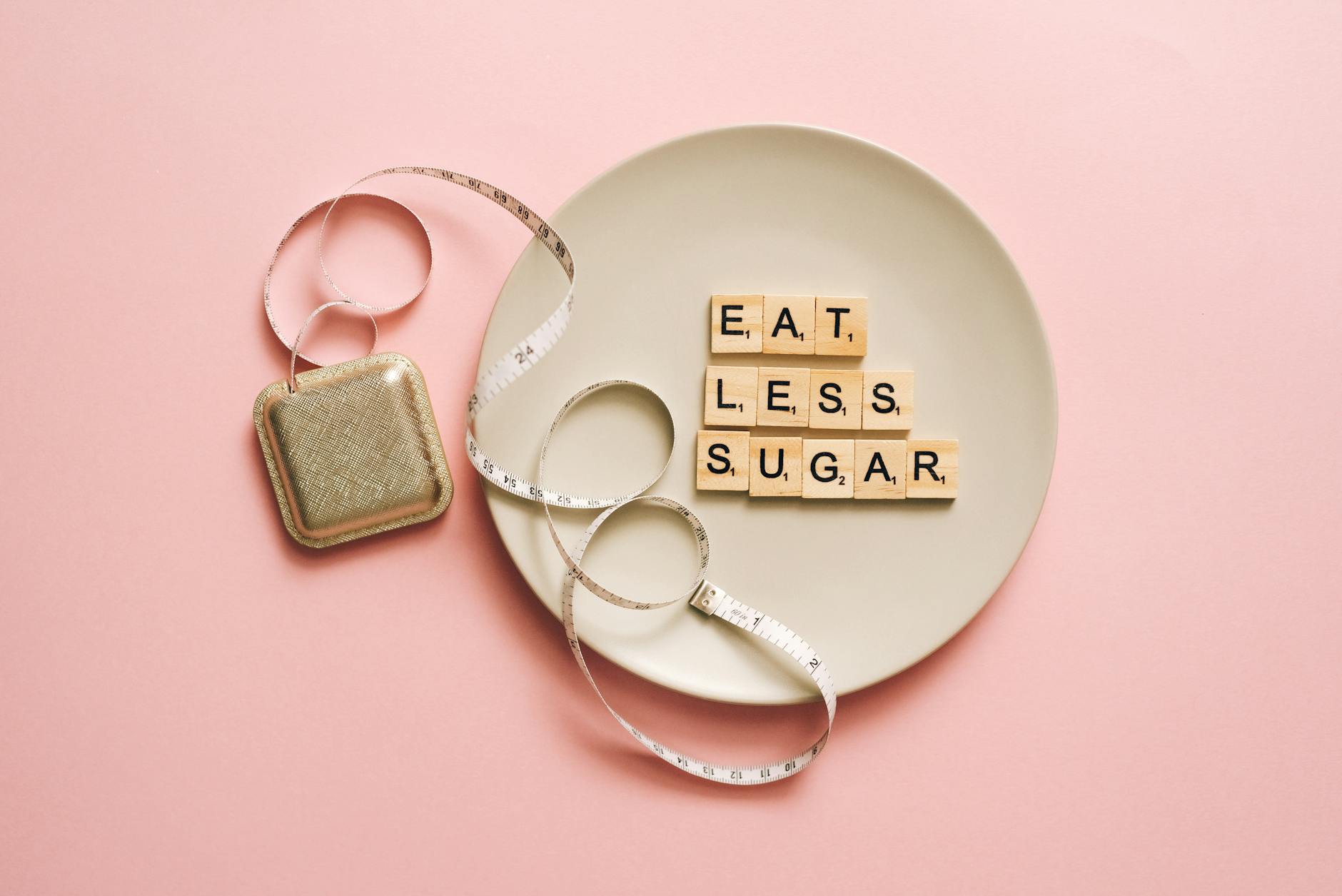
A fasting app won’t make you thin.
Fasting won’t make you thin either — if you’re doing it wrong.
Here’s how to actually use a fasting tracker to lose weight, not just collect streaks.
Why Tracking Matters for Weight Loss
Without tracking, you think you’re fasting 16 hours. In reality? Probably 13-14.
That midnight snack? The cream in your morning coffee? The handful of almonds at 11am?
They count. Your brain forgets. The app doesn’t.
In a weight-loss trial of more than 1,600 adults, the people who kept daily food records lost roughly twice as much weight as those who kept none (Hollis et al., 2008, Am J Prev Med). That study measured food diaries, not fasting windows, so read it as evidence that self-monitoring works, not as a tested result about fasting apps.
Step 1: Set the Right Fasting Goal
For weight loss, 16:8 is the minimum effective dose.
But here’s what research actually shows:
- 14:10 — Minimal weight loss benefit, easier compliance
- 16:8 — Sweet spot for most people, sustainable long-term
- 18:6 — Faster results, harder to maintain
- 20:4 (OMAD) — Maximum impact, not for beginners
My recommendation: Start with 16:8. Build consistency before intensity.
In your app, set 16 hours as your fasting goal.
Step 2: Track Every Fast (No Exceptions)
The point of tracking is honesty.
- Broke your fast early? Log it.
- Snuck a snack at 11pm? End the timer.
- Only made it 12 hours? That’s data, not failure.
What tracking reveals:
- Your average fasting length (probably shorter than you think)
- Which days you struggle (usually weekends)
- What times you break early (often late night)
- Progress over time
This data is valuable. Use it.
Step 3: Use Fasting Zones Strategically
Most fasting apps show “zones” — metabolic states your body enters at different fasting lengths.
The zones that matter for weight loss:
Fat Burning Zone (12-18 hours)
Your body depletes glycogen and starts burning fat for fuel. This is where weight loss happens.
Goal: Spend as much time here as possible.
Ketosis (18+ hours)
Deep fat burning. Your body produces ketones.
Goal: Hit this occasionally (2-3x per week) for accelerated results.
The tracker shows you exactly when you enter these zones. Knowing you’re 30 minutes from fat burning is motivating.
Step 4: Review Your Data Weekly
Sunday night ritual:
- Open your fasting app
- Look at the past 7 days
- Ask yourself:
- How many complete fasts?
- Average fasting length?
- Which days did I struggle?
- Am I improving from last week?
If you’re hitting 6-7 fasts per week: Great. Consider extending duration (17h, then 18h).
If you’re hitting 3-4 fasts per week: Focus on consistency before duration.
If you’re breaking early consistently: Identify the trigger time and address it.
Step 5: Use Reminders Strategically
Most people set reminders for when to START fasting.
Wrong approach.
Set reminders for:
- 1 hour before eating window closes — “Last chance to eat”
- When eating window opens — So you don’t break early
- Halfway point — Motivation boost (“You’re halfway!”)
The trigger for breaking a fast is usually the 10-12 hour mark when hunger peaks. A reminder at 11 hours saying “1 hour until fat burning zone!” can push you through.
Step 6: Don’t Obsess Over the Number
Here’s the trap: You fast for 16:01 and feel like a champion. You fast for 15:58 and feel like a failure.
That two-minute difference means nothing biologically.
What matters:
- Consistency over perfection
- Progress over time
- Average fasting length across weeks
A 15-hour fast is better than no fast. An imperfect week is better than giving up.
Common Mistakes That Kill Weight Loss
Mistake 1: Eating too much during the window
Fasting doesn’t give you a license to binge. You can absolutely out-eat your fast.
Fix: Track calories during eating window (at least initially).
Mistake 2: Only tracking fasts, not food
Your app shows 7 complete fasts. Great. But if you’re eating 3000 calories during your window, you won’t lose weight.
Fix: Use a calorie app alongside your fasting app.
Mistake 3: Too much too fast
Going from eating 18 hours a day to eating 4? You’ll crash and quit.
Fix: Build up gradually. 14:10 → 16:8 → 18:6.
Mistake 4: Ignoring quality
What you eat matters. 1500 calories of pizza hits different than 1500 calories of protein and vegetables.
Fix: Prioritize protein and fiber. They keep you full longer.
Mistake 5: No patience
You won’t see results in 3 days. Probably not 3 weeks either.
Fix: Commit to 8 weeks before evaluating.
The Weight Loss Formula
Fasting tracker + calorie awareness + consistency + patience = results
The tracker handles consistency. You handle the rest.
What App Should You Use?
Look for:
- Clear fasting zones display
- History and streak tracking
- Weekly summaries
- Widget (so you don’t have to open the app constantly)
FastTrack does all of this. Free, clean, no premium upsells for basic features.
FAQ
How much weight will I lose with 16:8 fasting? Typical range: 0.5-1.5 lbs per week. Depends on your eating window calories.
Do I need to count calories while fasting? Not strictly, but being aware helps. Fasting + massive calorie surplus = no weight loss.
How long until I see results? Week 2-3 for feeling different. Week 4-8 for visible changes. Week 12+ for significant transformation.
Can I fast and build muscle? Yes, but eat enough protein (0.7-1g per pound bodyweight) during your window.
What if the scale isn’t moving? Check: Are you truly fasting the full duration? Are you overeating during your window? Give it more time.
Related reads:
- 16:8 Fasting Schedule Guide — the how
- Intermittent Fasting Beginner’s Guide — the why
- Best Free Fasting Timer Apps — app reviews
Sources
- National Institute on Aging — Research on Intermittent Fasting
- USDA FoodData Central
- Harvard T.H. Chan — The Nutrition Source: Protein
This article is general information, not medical advice. Talk to a qualified professional about anything affecting your health.
— Dolce
Comments
Comments powered by Giscus. Sign in with GitHub to comment.