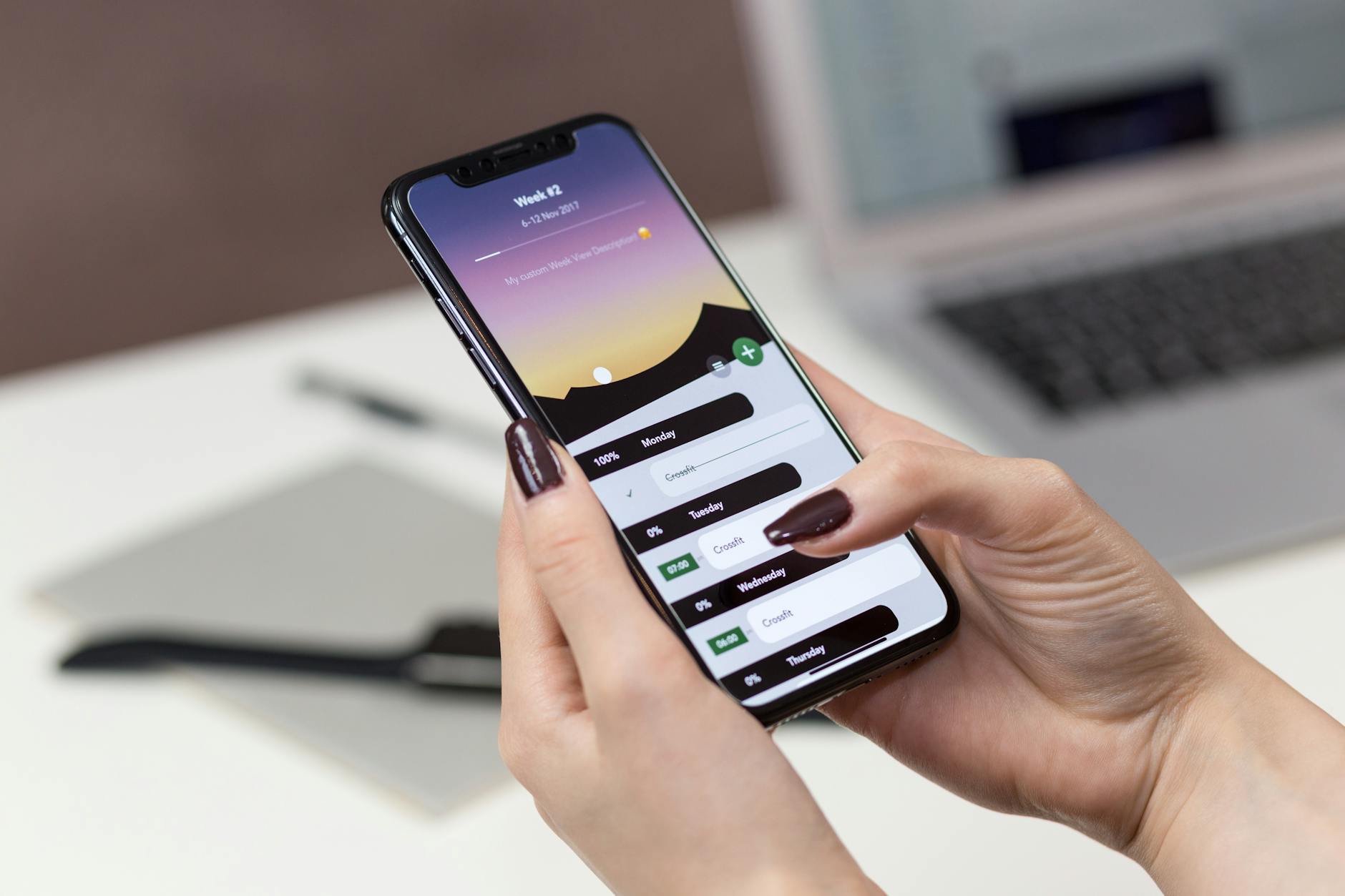
You downloaded the Tile app to stop losing your keys. Fair. Losing your keys every morning is a fifteen-minute tax on your sanity that compounds into hours of wasted time per month. But here's the thing nobody talks about: losing your keys is a symptom, not the disease.
The disease is a lack of systems. People who constantly misplace things — keys, wallets, phones, important documents — don't have a physical object problem. They have an organizational infrastructure problem. The Tile app puts a bandage on one symptom while the root cause keeps bleeding.
Let's talk about what actually fixes this.
Why the Tile App Only Solves Half the Problem
Tile and similar Bluetooth trackers are genuinely useful hardware. Attach a small device to your keys, wallet, or bag. When you can't find the item, open the app, make it ring. Problem solved. For about $25 per tracker, it's a reasonable investment.
But the tile app addresses a single failure mode: losing physical objects. It doesn't help you remember appointments. It doesn't keep your daily tasks from falling through the cracks. It doesn't stop you from scrolling your phone for 40 minutes when you meant to work on your side project.
Physical organization is one slice of a much bigger pie. The people who seem to have their lives effortlessly together aren't just good at finding their keys — they have systems that handle the entire chain of daily decisions.
Building Systems That Go Beyond the Tile App
Habit Tracking: The Foundation of Organization
Before you track objects, track behaviors. The reason your keys end up in random places is that you don't have a consistent "arrive home" routine. Keys go in the same spot every time, or they end up between couch cushions. That's a habit problem.
A habit tracker creates accountability for the small routines that prevent chaos. Put keys on hook. Wallet in drawer. Bag on chair. Gym clothes packed the night before. When these micro-behaviors become automatic, you stop needing a Tile on everything you own.
Our guide to building good habits breaks this down in detail. And Habit Tracker makes daily tracking dead simple — check off your routines, see your streaks, identify where you're consistently dropping the ball.
Time Blocking: Know Where Your Hours Go
Disorganized people don't just lose objects. They lose time. And lost time is far more expensive than lost keys.
The Pomodoro technique is the simplest entry point. Work for 25 minutes, break for 5. Four rounds, then a longer break. It sounds almost stupidly simple, but it forces you to decide what you're working on before you start — which eliminates the aimless tab-switching that eats most people's mornings.
Focus Timer is built for exactly this workflow. Set your work interval, set your break, and let the timer create structure where there was none.
Digital Organization: Your Phone as a Command Center
Your phone is already the most powerful organizational tool you own. You carry it everywhere. It has reminders, calendars, notes, and an app ecosystem that can automate half your daily decisions.
The tile app uses your phone to find objects. Good. But your phone should also be tracking your water intake so you're not dehydrated at 3 PM wondering why you can't focus. It should remind you to take breaks so you're not burning out by Wednesday. It should log your meals so you stop guessing why your energy crashes after lunch.
Water Tracker handles hydration with minimal friction — just log and go. Pair it with our guide on daily water intake to set the right target for your body.
The Real Productivity Stack
Here's what a complete personal organization system looks like:
Morning: Wake up, check habit tracker for today's targets. Review calendar. Set a focus timer for your first work block.
Throughout the day: Log water. Log meals. Use Pomodoro intervals for deep work. Take scheduled breaks.
Evening: Check off completed habits. Prep tomorrow's bag, keys, wallet — same spot every time. Review what got done and what didn't.
This takes about 10 minutes of total overhead per day. In return, you stop losing things, stop forgetting commitments, stop wondering where your time went, and stop arriving at Friday feeling like nothing got accomplished.
The tile app is a fine tool for its specific purpose. But if you're reaching for a Bluetooth tracker because your life feels disorganized, the tracker isn't going to fix that feeling. Systems will.
Starting Small Without Getting Overwhelmed
Don't try to build the entire stack in one day. That's a recipe for doing it for a week and abandoning everything.
Week 1: Pick one habit to track daily. Just one. Use Habit Tracker and focus on not breaking the streak.
Week 2: Add a focus timer to your work sessions. Even one Pomodoro per day is a start.
Week 3: Add hydration tracking.
Week 4: Review what's working. Drop what isn't. Add another habit.
By month two, you'll have a lightweight system that runs on autopilot. Your keys will have a home. Your tasks will have a structure. Your days will have a rhythm.
And you probably won't need to make your keychain beep anymore.
-- Dolce
Comments
Comments powered by Giscus. Sign in with GitHub to comment.