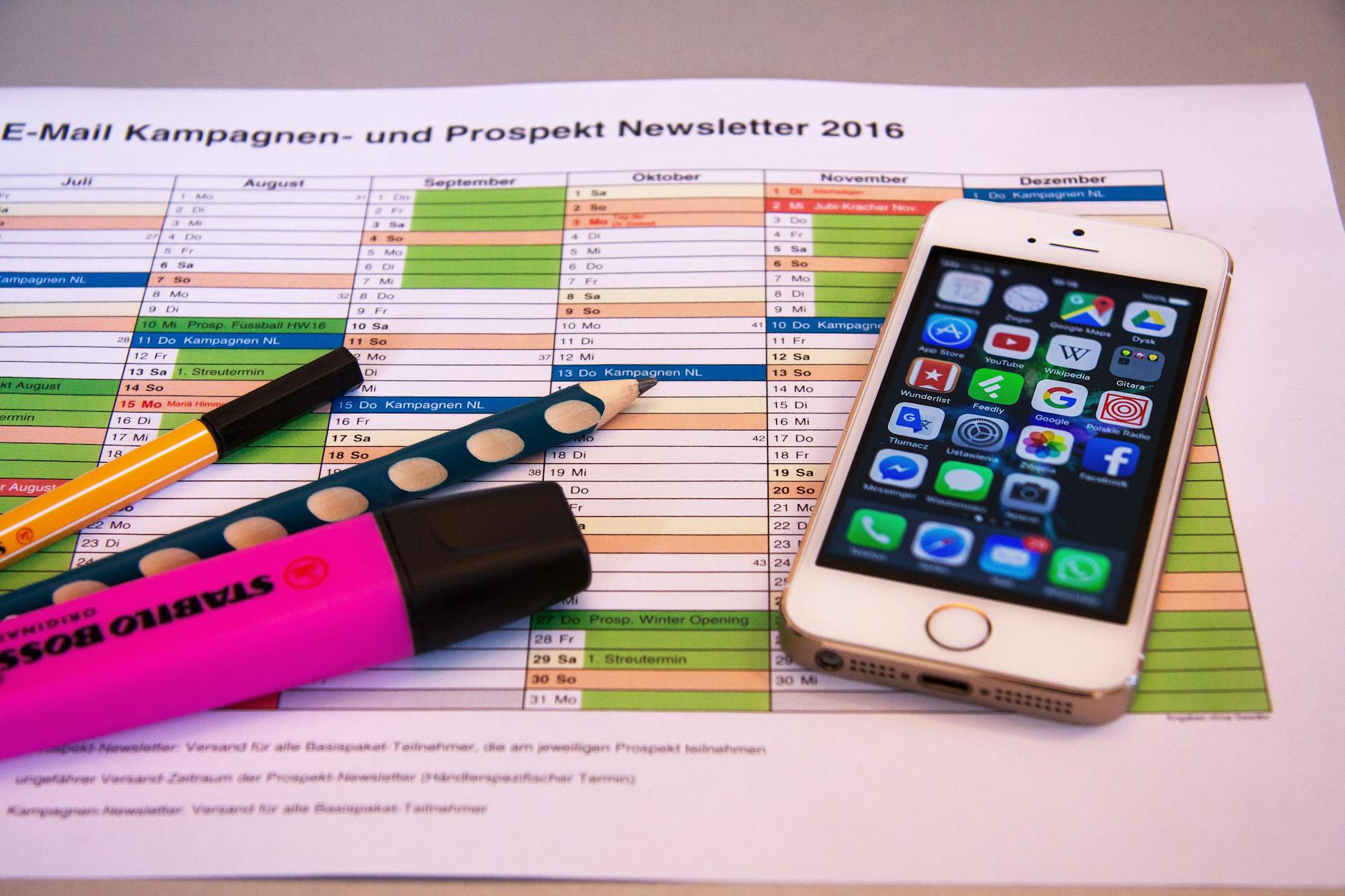
Scheduling Should Not Be This Painful
You are a medical director. You spend four hours every week building next month's schedule. Swaps, requests, call coverage, vacation blackouts. It is a spreadsheet nightmare that eats into the time you should spend on patient care. Or leading your team. Or sleeping.
The QGenda app promises to fix all of that. It is the dominant scheduling platform in healthcare, used by thousands of hospitals, clinics, and medical groups across the country. But is it actually good? Does it live up to the hype? And what if you are not in healthcare but still need powerful scheduling?
This is an honest breakdown of QGenda, what it does well, where it falls short, and what alternatives exist.
What Is the QGenda App?
QGenda is a cloud-based workforce management platform designed primarily for healthcare organizations. It automates provider scheduling, on-call management, time tracking, and credentialing.
The platform launched in 2006 and has grown into the market leader for physician scheduling. It handles complex rules like call equity, subspecialty coverage, and multi-site rotations that generic scheduling tools cannot touch.
The QGenda app is available on iOS and Android, giving providers mobile access to their schedules, swap requests, and shift details.
Core Features
- Automated scheduling engine that factors in rules, preferences, and fairness algorithms
- On-call management with real-time call schedules and escalation paths
- Swap and request management so providers can trade shifts without admin involvement
- Time and attendance tracking integrated with payroll systems
- Credentialing to track licenses, certifications, and compliance deadlines
- Analytics dashboards for utilization, coverage gaps, and labor costs
QGenda App: What It Does Well
The scheduling engine is genuinely impressive. It can juggle hundreds of constraints simultaneously. Minimum rest periods, equitable call distribution, site preferences, vacation rules, training requirements. Try doing that in Excel.
The mobile app gives providers real-time visibility. No more calling the office to ask who is on call. No more printed schedules taped to a break room wall. Everything updates live.
Integration is another strength. QGenda connects with major EHR systems, payroll platforms, and communication tools. When a schedule changes, downstream systems update automatically.
Where the QGenda App Falls Short
Pricing is the elephant in the room. QGenda does not publish rates, which usually means "expensive." Small practices and independent groups often find the cost prohibitive. You are looking at enterprise-level pricing for an enterprise-level tool.
The learning curve is steep. Administrators need serious training to configure the rules engine properly. If your rules are set up wrong, the automated schedules will be wrong, and providers will lose trust in the system fast.
The user interface has improved over the years but still feels cluttered compared to modern productivity apps. Providers who grew up on clean, minimal apps often find QGenda overwhelming at first glance.
Customer support gets mixed reviews. Some organizations rave about their implementation team. Others report slow response times and difficulty getting issues resolved post-launch.
Who Should Use QGenda?
QGenda is built for healthcare. If you run a hospital department, a large medical group, or a multi-site practice with complex scheduling needs, it is the gold standard. The rules engine and healthcare-specific features are unmatched.
But if you are a solo practitioner, a small team, or someone outside healthcare entirely, QGenda is overkill.
QGenda App Alternatives for General Productivity
Not everyone needs a healthcare scheduling platform. If you are looking for tools to manage your own time, tasks, and focus, simpler options deliver more value per dollar.
For Time Management and Focus
The Pomodoro technique is one of the most effective methods for managing your work day. A dedicated Focus Timer app lets you structure your day into focused sprints with built-in breaks. No complex configuration. No enterprise pricing. Just a timer that keeps you accountable.
For Team Scheduling
Tools like When2Meet, Calendly, and Doodle handle simple team scheduling without the overhead. If you do not need healthcare-specific rules, these get the job done at a fraction of the cost.
For Shift-Based Work
Deputy, Homebase, and 7shifts are built for shift scheduling in retail, hospitality, and food service. They are more affordable and easier to learn than QGenda.
How to Decide If QGenda Is Right for You
Ask yourself three questions.
Do you schedule more than 20 providers across multiple sites? If yes, QGenda's complexity is justified.
Do you need healthcare-specific compliance features? If yes, generic tools will not cut it.
Is your budget flexible enough for enterprise software? If no, start with simpler productivity tools and revisit QGenda when you scale.
Tips for Getting the Most Out of the QGenda App
Invest in proper implementation. Spend the time upfront to define every rule correctly. Garbage in, garbage out.
Designate a power user. Every department needs one person who knows the system inside out and can troubleshoot before filing a support ticket.
Train your providers. A five-minute walkthrough of the mobile app saves hundreds of "who is on call" phone calls per month.
Review your rules quarterly. Staffing needs change. If your rules do not evolve, your schedules will drift from reality.
FAQ
Is the QGenda app free?
No. QGenda is an enterprise product with custom pricing based on organization size and modules selected. Contact their sales team for a quote. For personal productivity, consider free or low-cost alternatives like a Focus Timer app.
Does the QGenda app work on iPhone and Android?
Yes. The QGenda app is available on both iOS and Android. Providers can view schedules, submit requests, and check on-call status from their phones.
Can I use QGenda outside of healthcare?
Technically yes, but it is designed for healthcare workflows. Non-healthcare organizations would pay for features they do not need. General scheduling tools are a better fit for most industries.
What is the biggest complaint about QGenda?
The most common complaints are the steep learning curve for administrators and the lack of transparent pricing. The scheduling engine itself is highly rated once configured properly.
-- Dolce
Comments
Comments powered by Giscus. Sign in with GitHub to comment.