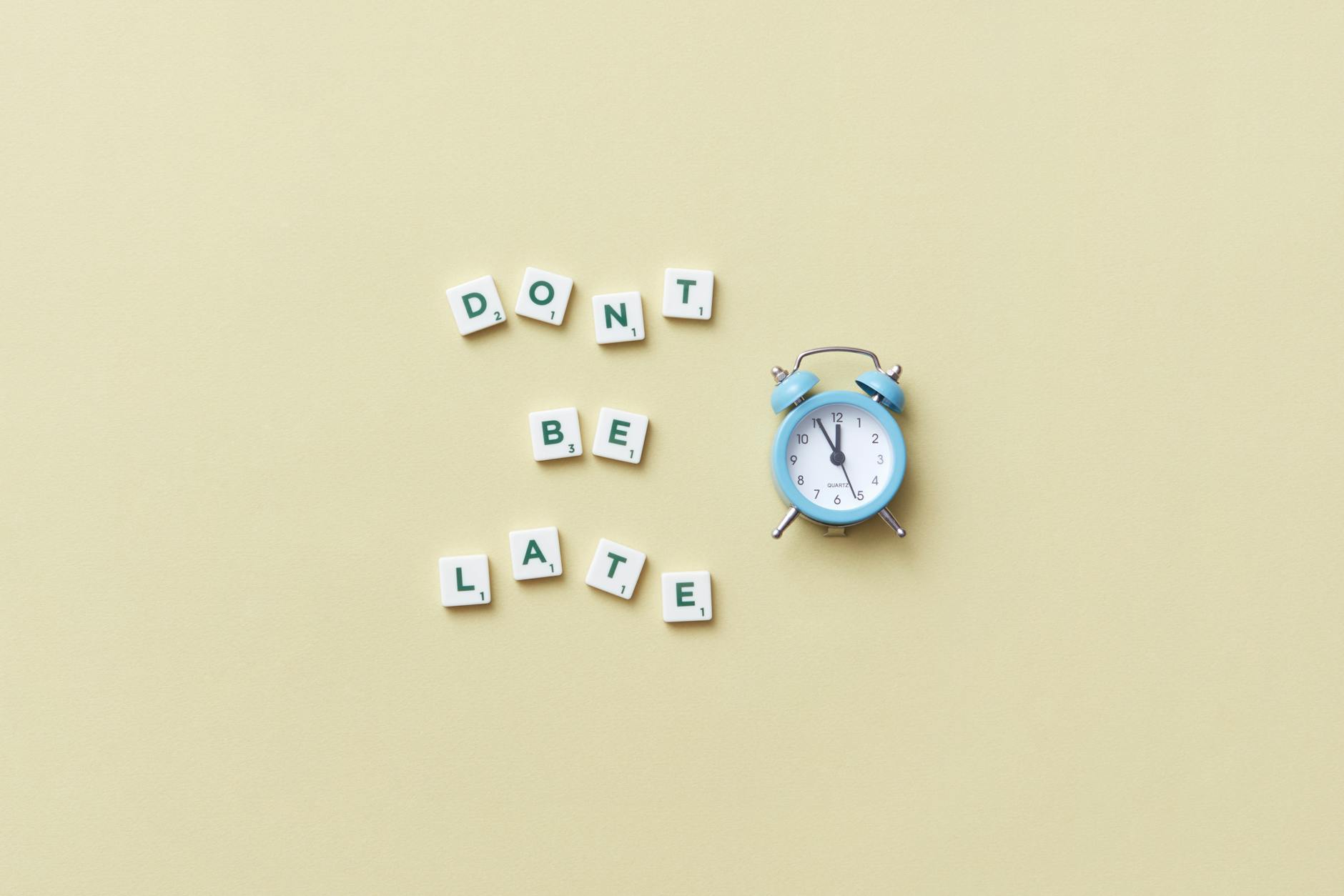
How to Overcome Procrastination for Good
You know what you need to do. You have the list. You have the time. And yet here you are, scrolling through your phone, reorganizing your desk, doing literally anything except the thing that matters. Sound familiar? If you want to learn how to overcome procrastination, you need to stop treating it like a character flaw. It is not laziness. It is a strategy your brain uses to avoid discomfort. And once you understand that, everything changes.
Why You Procrastinate (It Is Not What You Think)
Most advice tells you to "just start" or "break it into smaller pieces." Thanks. Super helpful. The real reason you procrastinate is emotional, not logical. Your brain runs a cost-benefit analysis on every task. When the emotional cost of starting feels higher than the cost of delaying, you delay. Every single time.
Fear of failure. Fear of judgment. Fear of imperfection. Boredom. Resentment. These are the actual drivers. Not laziness. Not poor time management. Emotions.
This means the solution is not a better to-do app. It is rewiring how you relate to discomfort.
The Five-Step Framework to Beat Procrastination
Step 1: Name the Emotion
Before you can overcome procrastination, you need to identify what is driving it. Next time you catch yourself avoiding a task, stop and ask: what am I actually feeling right now? Anxious about the outcome? Bored by the work? Resentful that it was assigned to you?
Naming the emotion strips it of power. It moves you from reactive to conscious. That shift alone can be enough to get you moving.
Step 2: Shrink the Entry Point
Forget about finishing. Forget about doing a good job. Your only goal is to start for two minutes. That is it. Two minutes of the worst, most mediocre effort you can muster.
The science backs this up. Newton was right about more than apples. A body in motion stays in motion. Starting is the hardest part. Once you are two minutes in, your brain recalculates and the task suddenly feels less threatening.
Step 3: Remove the Escape Routes
Your environment is either working for you or against you. If your phone is next to you, you will pick it up. If social media tabs are open, you will click them. This is not willpower failure. It is design failure.
Close every tab you do not need. Put your phone in another room. Use a focus timer to create structure. Block distracting sites. Make the productive path the path of least resistance.
Step 4: Use Time Blocks, Not To-Do Lists
To-do lists are procrastination fuel. They give you the illusion of productivity without any commitment to action. A list that says "write report" gives your brain infinite room to delay.
A calendar block that says "write report, 2:00-3:30 PM" does not. It creates a commitment. A boundary. A container. The Pomodoro Technique is excellent for this. Twenty-five minutes of focused work, five-minute break. Repeat. It turns overwhelming tasks into manageable sprints.
Step 5: Build Momentum With Wins
Procrastination feeds on itself. The more you avoid, the worse you feel, the more you avoid. But momentum works the same way in reverse. Small wins create energy. Energy creates action. Action creates results.
Start your day with one task you can complete in under ten minutes. Ride that momentum into the harder stuff. Stack wins like bricks.
How to Overcome Procrastination on Big Projects
Big projects are procrastination magnets. The scope feels overwhelming. The finish line feels invisible. Here is how to handle them.
First, define the very next physical action. Not "work on presentation." That is vague. Instead: "open slide deck and write the title slide." Concrete. Actionable. Tiny.
Second, track your progress visually. A simple checklist, a progress bar, a wall calendar with X marks. Your brain craves visible evidence that effort is paying off.
Third, pair the work with something you enjoy. Listen to music. Work from a coffee shop. Use a focus timer app with ambient sounds. Layer pleasure on top of effort.
When Procrastination Is Trying to Tell You Something
Sometimes procrastination is not a bug. It is a signal. If you consistently avoid a particular type of work, it might mean that work is genuinely wrong for you. Not every task deserves your energy. Not every project aligns with your strengths.
The key is honesty. Are you avoiding it because it is hard but important? Push through. Are you avoiding it because it is meaningless and misaligned? That is worth examining.
How to overcome procrastination is ultimately about understanding yourself. Your triggers. Your patterns. Your emotional landscape. Once you see the mechanism clearly, you can intervene at the right point.
Stop waiting for motivation. Motivation follows action, not the other way around. Start messy. Start small. Start now.
-- Dolce
FAQ
Why do I procrastinate even when I know the deadline is close?
Your brain weighs emotional discomfort more heavily than future consequences. The closer the deadline, the more the panic eventually outweighs the avoidance. To break this pattern, shrink the task to a two-minute entry point and use structured time blocks like the Pomodoro Technique.
Is procrastination a sign of ADHD?
Chronic procrastination can be related to ADHD, but not always. ADHD-related procrastination often involves difficulty with task initiation and time blindness, not just avoidance. If procrastination severely impacts your daily life despite consistent effort, it is worth speaking with a professional.
What is the best tool to help stop procrastinating?
A focus timer combined with website blockers is the most effective combination. The timer creates urgency and structure. The blocker removes escape routes. Together they reshape your environment to support action over avoidance.
Can procrastination ever be productive?
Strategic delay can sometimes lead to better decisions, but that is not procrastination. That is intentional waiting. True procrastination is avoidance driven by discomfort. If you are actively thinking through a problem while you wait, that is strategy. If you are watching videos to numb out, that is procrastination.

Comments
Comments powered by Giscus. Sign in with GitHub to comment.