Good Notes iPad: The Ultimate Setup for 2026
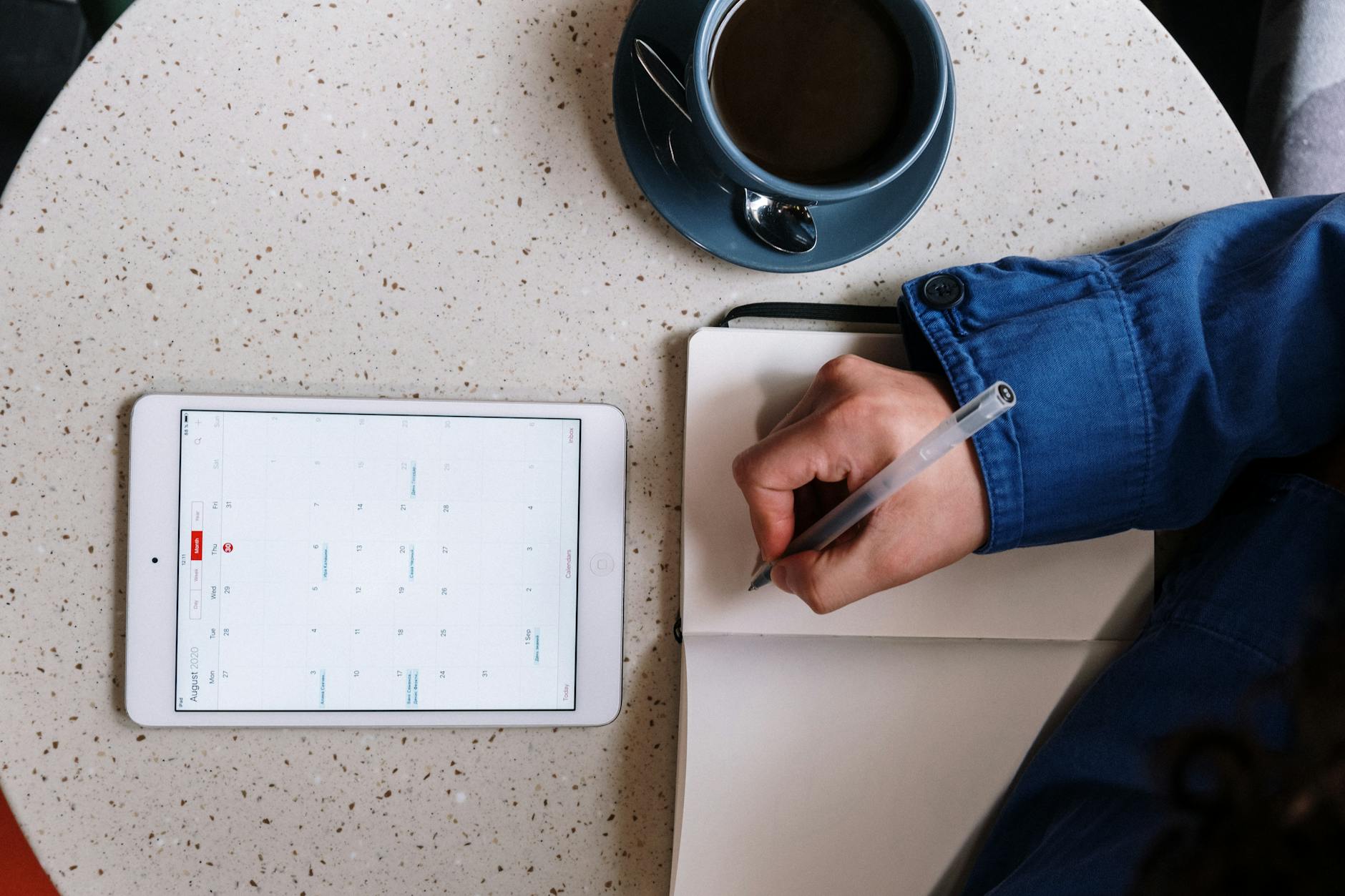
Your iPad is collecting dust. Or worse, it is a $1000 Netflix machine. Setting up good notes iPad workflows changes that overnight. It turns an expensive slab of glass into the most powerful thinking tool you own. And once you nail the setup, you will wonder how you ever managed without it.
This is not about downloading an app and hoping for the best. This is a system that actually works.
Why Good Notes iPad Setups Beat Paper Every Time
Paper is great. Nobody is arguing that. But paper does not let you search 6 months of notes in two seconds. Paper does not let you reorganize entire notebooks with a drag. Paper does not sync across every device you own.
Digital note-taking on iPad gives you the feel of handwriting with the power of search, backup, and infinite pages. Studies from Princeton confirm that handwriting beats typing for retention. The iPad lets you keep that benefit while adding everything paper cannot do.
No more lost notebooks. No more flipping through 40 pages to find one idea. No more rewriting the same thing because you forgot where you put it.
Choosing the Right App
You have options. GoodNotes and Notability are the big two. Both are solid. Here is how to pick.
GoodNotes works best if you organize by notebooks and folders. It feels like a real notebook collection. The handwriting recognition is sharp. The shape tool is clean. If you think in categories, this is your app.
Notability works best if you organize by timeline. Everything flows in one direction. The audio recording feature is killer for lectures and meetings. If you think chronologically, go here.
Both support the Apple Pencil. Both export to PDF. Both sync to iCloud. You cannot go wrong. Just pick one and commit. The app matters less than the system behind it.
The Five-Notebook System
Here is the system. Five notebooks. That is it.
1. Inbox. Every new note starts here. Do not organize while you capture. Just write. Sort later. This removes friction at the moment of capture, which is when friction kills ideas.
2. Projects. Active work goes here. One section per project. When a project finishes, archive it. Keep this lean. If a project has been sitting untouched for a month, it is not active.
3. Reference. Stuff you need to look up later. Meeting notes. Recipes. Procedures. Anything you will search for. This is your external hard drive.
4. Learning. Course notes. Book summaries. Tutorial walkthroughs. Your second brain for skills. Review these quarterly so the knowledge actually sticks.
5. Daily Log. One page per day. Three bullets: what you did, what you learned, what is next. Takes 2 minutes. Worth its weight in gold after 30 days of consistency.
This structure keeps things simple. Five places to look. No decision fatigue. No elaborate tagging systems that you abandon after a week.
Apple Pencil Tips That Save Hours
The Apple Pencil is the reason good notes iPad workflows feel so natural. But most people use maybe 10% of what it can do.
Scribble lets you write anywhere and converts to text. Use it in search bars, file names, even Safari. Stop switching to the keyboard for quick entries. This alone saves minutes every session.
Double-tap to switch tools. Set it to toggle between pen and eraser. That one gesture saves hundreds of taps per session. Customize this in Settings under Apple Pencil.
Use pressure. Light strokes for annotations. Heavy strokes for headlines. This creates visual hierarchy without changing tools. Your notes become scannable at a glance.
Tilt for shading. When you need to highlight or emphasize a section, tilt the pencil. It works like a real pencil on paper. Great for marking up PDFs and textbook annotations.
Templates That Speed Everything Up
Blank pages are the enemy of productivity. Templates fix that problem permanently.
Create a meeting template: date, attendees, agenda, action items, follow-ups. Import it as a PDF. Use it every single time. No more forgetting to capture action items. No more meetings that end without clear next steps.
Create a weekly review template: wins, losses, lessons, next week priorities. Do it every Sunday. Watch your self-awareness compound over months. This is one of the highest-return habits you can build.
Create a Cornell notes template for learning. Cues on the left, notes on the right, summary at the bottom. This method has decades of research behind it. It forces you to process information instead of just transcribing it.
Most note apps let you set custom templates as defaults for new pages. Set them once, benefit forever. The upfront investment is 20 minutes. The payoff is permanent.
Staying Focused While You Work
The biggest threat to your note-taking is the iPad itself. Notifications. Social media. That game you downloaded "for research." The same device that holds your notes also holds every distraction known to humanity.
Use Focus Mode. Create a custom focus for note-taking that blocks everything except your notes app and timer. Pair it with the Pomodoro technique for structured work sessions. Twenty-five minutes of focused writing beats two hours of distracted scribbling.
If you want a dead-simple timer that stays out of your way, FocusTimer runs in the background and keeps you honest. No bells and whistles. Just a countdown that holds you accountable.
The Weekly Review Habit
Notes without review are just words on glass. The weekly review is where the magic happens.
Every Sunday, spend 15 minutes. Go through your Inbox notebook. Move notes to the right place. Delete what does not matter. Star what does. This is the maintenance that keeps the system running.
Check your Daily Log. Look for patterns. What kept showing up? What got ignored? These patterns reveal what actually matters to you, not what you think should matter. Self-knowledge is the real product of consistent note-taking.
This single habit turns scattered notes into a functioning system. Skip it and your iPad becomes a digital junk drawer within a month. The system is only as good as the maintenance behind it.
Start Today, Not Monday
You do not need the perfect app. You do not need the perfect template. You need five notebooks, an Apple Pencil, and twenty minutes of honest setup time.
Open your iPad. Create the five notebooks. Write today's daily log. That is it. You are in the system now.
Good notes iPad mastery is not about the tool. It is about showing up and writing things down, consistently, in a place where you can find them again. Everything else is decoration. The people who get results are not the ones with the fanciest setups. They are the ones who write every day.
Stop planning your system. Start using it.
-- Dolce
Comments
Comments powered by Giscus. Sign in with GitHub to comment.