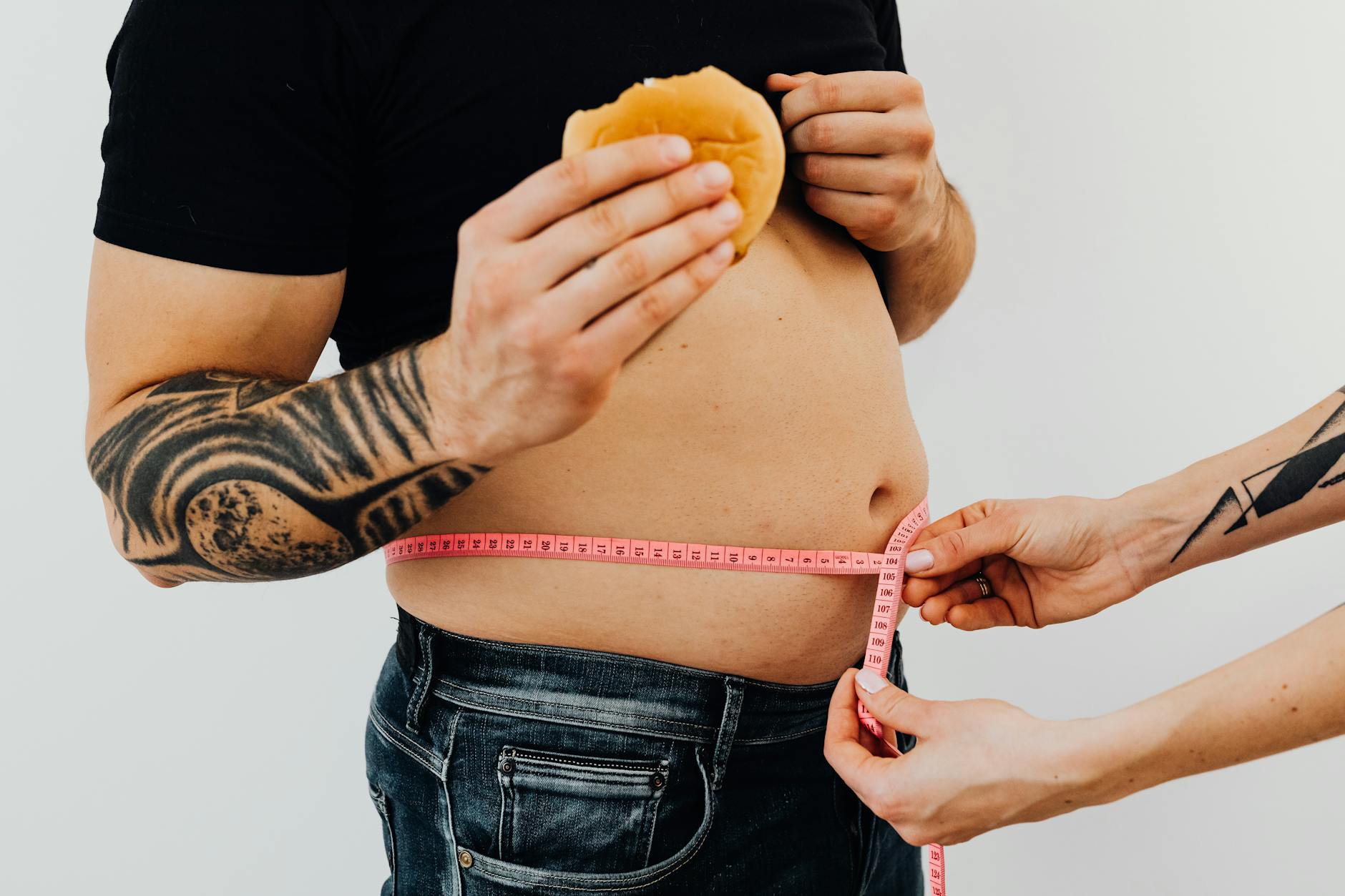
Fasting for Two Weeks: What Actually Happens
Fasting for two weeks sounds extreme. And honestly, for most people, it is. But there is a growing wave of people experimenting with extended fasts — from 48 hours to full 14-day protocols — looking for metabolic resets, fat loss, and mental clarity. Before you jump in, you need to know what actually happens inside your body when you stop eating for that long.
This is not hype. This is biology.
Why People Try Fasting for Two Weeks
The reasons vary. Some want rapid fat loss. Others are chasing autophagy — your body's cellular cleanup process. A few do it for spiritual or mental discipline. Whatever the reason, a two-week fast is not something you wing. It requires preparation, monitoring, and a solid exit strategy.
Most people who attempt fasting for two weeks are not doing a pure water fast the entire time. Many follow a structured protocol that includes electrolytes, bone broth, or limited caloric intake on certain days. The line between extended fasting and very-low-calorie diets gets blurry here. That is fine. What matters is the result and your safety.
If you are brand new to fasting, start smaller. A solid intermittent fasting guide will give you the foundation. Jumping straight to two weeks without experience is reckless.
The Day-by-Day Breakdown
Days 1-2: The hunger wall. Your body screams for food. Blood sugar drops. You might get headaches, irritability, and brain fog. This is your body burning through glycogen stores. Drink water. Add salt. Push through.
Days 3-5: The switch. Ketosis kicks in. Your body starts burning fat for fuel instead of glucose. Energy stabilizes. Mental clarity sharpens. The hunger paradoxically decreases. Many people report feeling better on day 4 than day 1.
Days 6-10: Deep ketosis. This is where things get interesting. Autophagy ramps up. Your body recycles damaged cells. Inflammation drops. Some people experience euphoria. Others feel flat. Both are normal.
Days 11-14: The home stretch. Your body is adapted. Hunger is mostly psychological at this point. Energy is steady but lower than normal. Muscle preservation depends on your starting body composition and activity level.
What You Will Lose
Let us be real about the numbers. During fasting for two weeks, expect to lose 10-20 pounds. But a significant chunk of that is water weight. Actual fat loss is closer to 6-10 pounds depending on your size and activity.
Here is what most articles will not tell you: some of that weight comes back. When you refeed, glycogen stores replenish and water follows. A realistic net loss after refeeding is 5-8 pounds of fat. Still significant. Just not the dramatic number on the scale at day 14.
The Risks Nobody Talks About
Extended fasting is not risk-free. Electrolyte imbalances can cause heart palpitations. Refeeding syndrome — where your body reacts badly to food after prolonged fasting — is a real medical concern. It can be dangerous.
Other risks include muscle loss, gallstones, and tanking your metabolic rate if done repeatedly. People with diabetes, eating disorders, or heart conditions should not attempt this without medical supervision. Period.
How to Do It Safer
If you are set on trying fasting for two weeks, here is how to minimize risk:
- Get bloodwork first. Know your baseline.
- Supplement electrolytes. Sodium, potassium, magnesium. Daily.
- Break the fast slowly. Start with bone broth, then soft foods, then normal meals over 3-4 days.
- Track how you feel. Dizziness, chest pain, or extreme weakness means stop.
- Have a doctor in the loop. Non-negotiable for anything beyond 72 hours.
A Better Approach for Most People
Here is the truth. Most people do not need a two-week fast. The benefits of autophagy and metabolic flexibility can be accessed through shorter protocols. A 16:8 intermittent fasting schedule, done consistently, delivers 80% of the results with 10% of the risk.
Track your fasting windows with FastTrack to build consistency. The app makes it dead simple to log your fasts, monitor progress, and stay accountable. That consistency beats a single dramatic fast every time.
Fasting for two weeks is a tool. A powerful one. But it is a sledgehammer when most people need a scalpel. Start small. Build the habit. Then decide if you want to go deeper.
Your body is not a science experiment. Treat it with respect and it will respond.
-- Dolce
FAQ
Is fasting for two weeks safe for beginners?
No. Beginners should start with 16:8 or 24-hour fasts and build tolerance gradually. A two-week fast requires experience with shorter fasts, electrolyte management knowledge, and ideally medical supervision. Jumping straight to 14 days is dangerous.
How much weight will I lose fasting for two weeks?
Expect 10-20 pounds on the scale, but 4-6 pounds of that is water weight that returns after refeeding. Realistic net fat loss is 5-8 pounds depending on your starting weight and activity level during the fast.
Can I exercise while fasting for two weeks?
Light activity like walking is fine and even beneficial. Intense workouts are not recommended. Your body is running on limited fuel and pushing hard increases muscle loss risk and electrolyte depletion. Keep it easy.
What should I eat after a two-week fast?
Break the fast with bone broth or diluted juice on day one. Add soft foods like eggs and avocado on day two. Gradually reintroduce normal meals over 3-4 days. Eating a large meal immediately can cause refeeding syndrome, which is medically dangerous.
Comments
Comments powered by Giscus. Sign in with GitHub to comment.