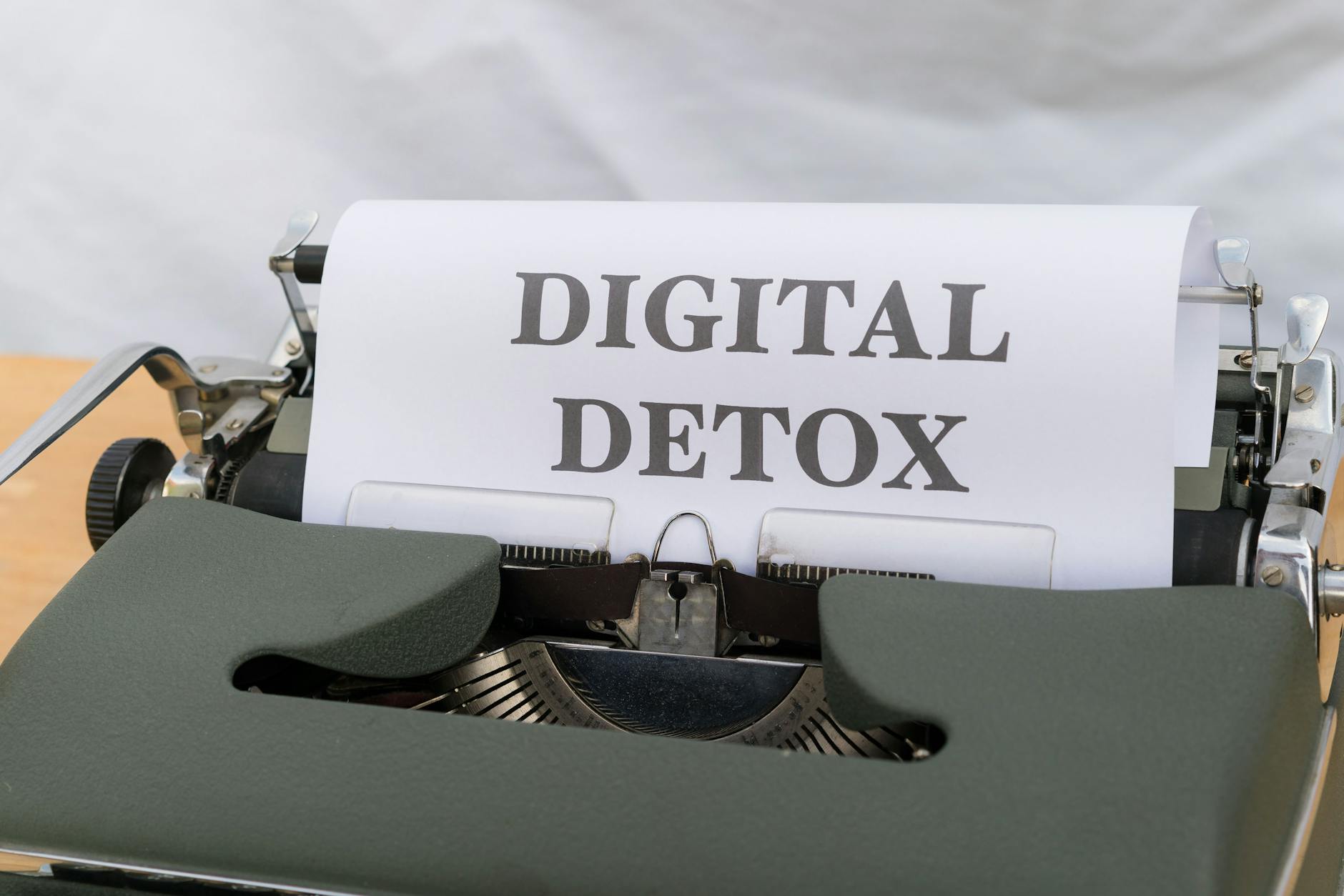
Dopamine Detox: Does It Actually Work?
You cannot focus for more than 8 minutes. Your phone screen time says 6 hours. You open Netflix, get bored in 30 seconds, and switch to YouTube. Then TikTok. Then back to Netflix. Nothing feels satisfying anymore. Someone told you to try a dopamine detox and now you are wondering if sitting in a dark room for 24 hours will fix your brain.
Let us sort fact from fiction.
What Dopamine Actually Does
First, let us kill a myth. Dopamine is not the pleasure chemical. It is the anticipation chemical. It does not make you feel good when you get the reward. It makes you want the reward. That is why scrolling feels compulsive even when it is not enjoyable.
When you flood your brain with easy dopamine hits — social media, junk food, porn, endless scrolling — your baseline dopamine drops. You need more stimulation to feel the same amount of motivation. Everything that does not deliver an instant hit feels boring and pointless.
This is real neuroscience. The question is whether a dopamine detox actually resets it.
What a Dopamine Detox Actually Is
The term was popularized by Dr. Cameron Sepah, a psychiatrist. His original protocol was not about avoiding all pleasure. It was about reducing specific behaviors that had become compulsive:
- Emotional eating
- Internet and phone usage
- Gambling and shopping
- Porn and masturbation
- Thrill and novelty seeking
- Recreational drugs
The idea is simple. Take a break from these high-stimulation activities so your brain recalibrates to normal levels of stimulation.
Does the Science Support It?
Kind of. The mechanism is real — dopamine receptor sensitivity does change based on stimulation levels. Studies on addiction recovery show that abstaining from superstimuli does help restore normal dopamine function over time.
But the timeline is not 24 hours. Meaningful neurological changes take weeks to months. A single day of avoiding your phone is not rewiring anything. It is just a break.
That said, even a break has value. It shows you how dependent you have become on these behaviors. That awareness alone can change how you use them going forward.
How to Do a Dopamine Detox That Works
Step 1: Identify Your Triggers
Not all dopamine sources are equal. Exercise produces dopamine and that is healthy. The problem is the low-effort high-reward loop. For most people that means:
- Phone scrolling
- Junk food
- Binge watching
- Compulsive shopping
Make your own list. Be honest about which behaviors feel compulsive rather than chosen.
Step 2: Start With a 24-Hour Reset
For one day:
- No social media or mindless browsing
- No streaming or YouTube
- No junk food or sugar
- No online shopping
What you can do:
- Walk outside
- Read a physical book
- Cook a simple meal from scratch
- Have face-to-face conversations
- Do a breathing exercise or meditate
- Write in a journal
- Do light exercise
The first few hours will feel brutal. You will reach for your phone a hundred times. That reflex is exactly what you are trying to break.
Step 3: Build Sustainable Boundaries
The 24-hour reset is not the solution. It is the wake-up call. The real work is building daily boundaries:
- Phone-free mornings. First 60 minutes of your day, no phone.
- Screen time limits. 30 minutes per social app per day. Use your phone's built-in tools.
- No screens after 9pm. Read about our breathing exercises for sleep instead.
- One meal per day cooked from scratch. Reconnect with the effort behind food.
- Weekly mini-detox. Every Sunday, no social media. Just real life.
Step 4: Replace, Do Not Just Remove
The biggest mistake is creating a vacuum. If you just remove the high-stimulation activities without replacing them, you will crawl back within days.
Replace scrolling with reading. Replace binge watching with a hobby that uses your hands. Replace junk food with cooking. The replacement needs to be specific and available.
Use a focus timer to structure your work blocks and break the tab-switching habit during productive hours.
What to Expect
Days 1-3: Restlessness, boredom, and irritability. You will question why you are doing this.
Days 4-7: The urges fade. You start noticing things — birds, how food tastes, actual thoughts instead of curated content.
Weeks 2-4: Motivation returns for the boring stuff. Work feels less painful. You can sit with your thoughts without reaching for stimulation.
Month 2+: Your baseline resets. Low-effort entertainment still exists but it does not own you anymore. You choose it instead of needing it.
The Honest Truth
A dopamine detox is not a magic reset button. Your brain does not reboot like a computer. But the practice of deliberately choosing what stimulates you — and what does not — is genuinely powerful. It is less about the detox day and more about the boundaries you build after it.
You do not have a broken brain. You have a brain responding normally to abnormal amounts of stimulation. Dial down the input and the system recalibrates. It just takes longer than a day.
-- Dolce
FAQ
How long should a dopamine detox last?
Start with 24 hours for the initial awareness reset. But real benefits come from sustained daily boundaries over weeks. Think of the detox day as the starting gun, not the finish line.
Can I still exercise during a dopamine detox?
Absolutely. Exercise-generated dopamine is healthy and earned. Walking, lifting, yoga — all good. The detox targets low-effort high-reward stimulation, not physical activity.
Is dopamine detox scientifically proven?
The mechanism (dopamine receptor downregulation from overstimulation) is well-established. The specific "detox" protocol is less studied, but the principle of reducing superstimuli to restore normal sensitivity is supported by addiction research.
Will I lose all motivation during the detox?
Temporarily yes. The first 1-3 days feel flat because your brain is adjusting to lower stimulation. This passes. By week two most people report more natural motivation than they have felt in months.


Comments
Comments powered by Giscus. Sign in with GitHub to comment.