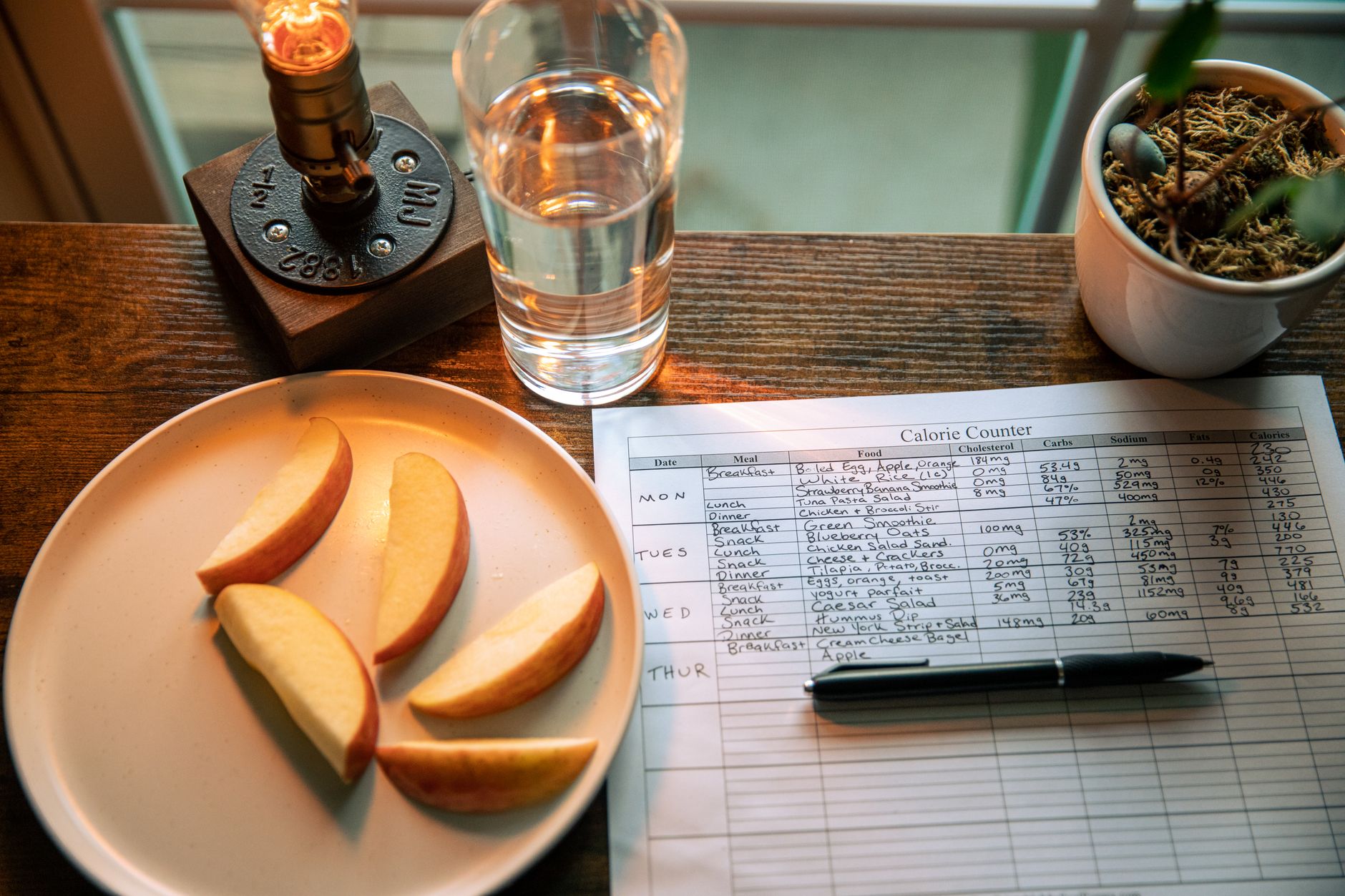
Calorie Counter for Runners: Track Fuel, Not Just Miles
You track your splits, your cadence, your VO2 max estimates. You've got GPS data down to the tenth of a mile. But ask most runners what they actually ate today and you get a blank stare and something about "a banana before the run." This disconnect is exactly why a calorie counter for runners isn't optional — it's the missing piece most runners ignore until they bonk, get injured, or plateau.
Running burns serious calories. Mismanaging that burn wrecks performance faster than skipping a training day.
Why a Calorie Counter for Runners Is Different
General calorie trackers treat every day the same. That's a problem when your Tuesday is a rest day burning 2,000 calories and your Saturday is a 20-mile long run burning 3,400.
Runners deal with unique nutritional demands:
- Variable daily expenditure: A 70kg runner burns roughly 70 calories per kilometre. A 15km training run adds 1,050 calories to your daily needs. Ignore that and you're running on fumes.
- Glycogen dependence: Running depletes muscle glycogen faster than almost any other activity. Underfueling carbs specifically — not just total calories — leads to dead legs and poor recovery.
- Protein timing matters more: Post-run protein synthesis peaks in the 30-60 minute window. Miss it consistently and you're leaving muscle repair on the table.
A good calorie counter for runners accounts for all of this. A bad one just says "you burned 500 calories, good job."
How Many Calories Do Runners Actually Burn?
The rough formula is simple: 0.9–1.1 calories per kilogram of body weight per kilometre. Pace matters less than you think — a slower runner actually burns slightly more per kilometre because they're on their feet longer.
Here's what that looks like in practice:
| Body Weight | 5K Run | 10K Run | Half Marathon | Marathon |
|---|---|---|---|---|
| 60kg | 300 cal | 600 cal | 1,260 cal | 2,520 cal |
| 75kg | 375 cal | 750 cal | 1,575 cal | 3,150 cal |
| 90kg | 450 cal | 900 cal | 1,890 cal | 3,780 cal |
These numbers are net calories burned — above what you'd burn sitting still. Your calorie counter needs to layer this on top of your basal metabolic rate, not replace it.
The Macro Split Runners Should Target
Total calories are only half the equation. Where those calories come from determines whether you feel like a machine or a wreck.
For runners doing 30–50 miles per week:
- Carbohydrates: 55–65% of total calories (5–7g per kg of body weight)
- Protein: 20–25% (1.4–1.8g per kg of body weight)
- Fat: 20–25% (don't go below 20% — hormones need it)
For high-mileage runners (50+ miles per week), bump carbs to 7–10g per kg. That's a lot of rice and sweet potatoes.
Contrarian take: most recreational runners eat too much protein and not enough carbs because the internet has convinced everyone that protein is magic. For endurance performance, carbs are king. Full stop.
Run Day vs. Rest Day: The Nutrition Periodization
This is where most calorie trackers fail runners completely. Your nutrition should periodize just like your training.
On hard training days (tempo, intervals, long runs):
- Increase carb intake by 1–2g per kg
- Add 300–600 calories depending on session length
- Front-load carbs before and during the run
- Post-run: 20–30g protein + 60–80g carbs within 45 minutes
On easy run days:
- Stick closer to baseline calories
- Keep carbs moderate (5–6g per kg)
- Focus on whole food sources
On rest days:
- Drop total intake by 300–500 calories
- Slightly increase protein to support repair (1.6–1.8g per kg)
- Reduce carbs to 3–4g per kg
- Prioritize vegetables and micronutrient-dense foods
Red Flags: Signs You're Underfueling
Relative Energy Deficiency in Sport (RED-S) is rampant in runners. It's not just about feeling hungry. Watch for:
- Pace regression despite consistent training
- Recurring injuries, especially stress fractures
- Poor sleep quality
- Mood swings and irritability
- Loss of menstrual cycle (female runners)
- Resting heart rate creeping up over weeks
If three or more of these apply, you're probably in a calorie deficit that's hurting your running. A proper calorie counter makes the gap obvious — you can see the deficit in black and white instead of guessing.
How to Set Up Your Calorie Counter for Running
Here's the step-by-step that actually works:
- Calculate your BMR: Use the Mifflin-St Jeor equation. Multiply by 1.2 for your sedentary baseline.
- Add running calories separately: Use the per-km formula (body weight x distance x 1.0). Don't trust the treadmill's calorie display — it overestimates by 15–30%.
- Set macros per day type: Create separate profiles for hard days, easy days, and rest days.
- Log everything for two weeks: Don't change your diet yet. Just observe. Most runners are shocked by how little they actually eat on high-volume days.
- Adjust based on data: If you're losing weight unintentionally, add 200 calories. If gaining, drop 200. Small changes, measured over time.
Our calorie calculator guide walks through the BMR math in detail if you want to nail those baseline numbers.
Picking the Right Tool
You don't need something complicated. You need something you'll actually use every day. The best calorie counter for runners is the one that makes logging fast enough that you won't skip it after a hard interval session when you just want to collapse.
A food calorie calculator app that lets you scan barcodes, save frequent meals, and adjust daily targets is worth its weight in gold. The key is speed — if logging a meal takes more than 60 seconds, you'll abandon it within a week.
The Bottom Line
Running performance lives and dies in the kitchen. You can follow the most sophisticated training plan ever written, but if you're 500 calories short on your long run day or eating 40% protein when you need carbs, you're leaving minutes on the table.
Track your food with the same obsession you track your miles. The data doesn't lie, and the results will follow.
-- Dolce


Comments
Comments powered by Giscus. Sign in with GitHub to comment.