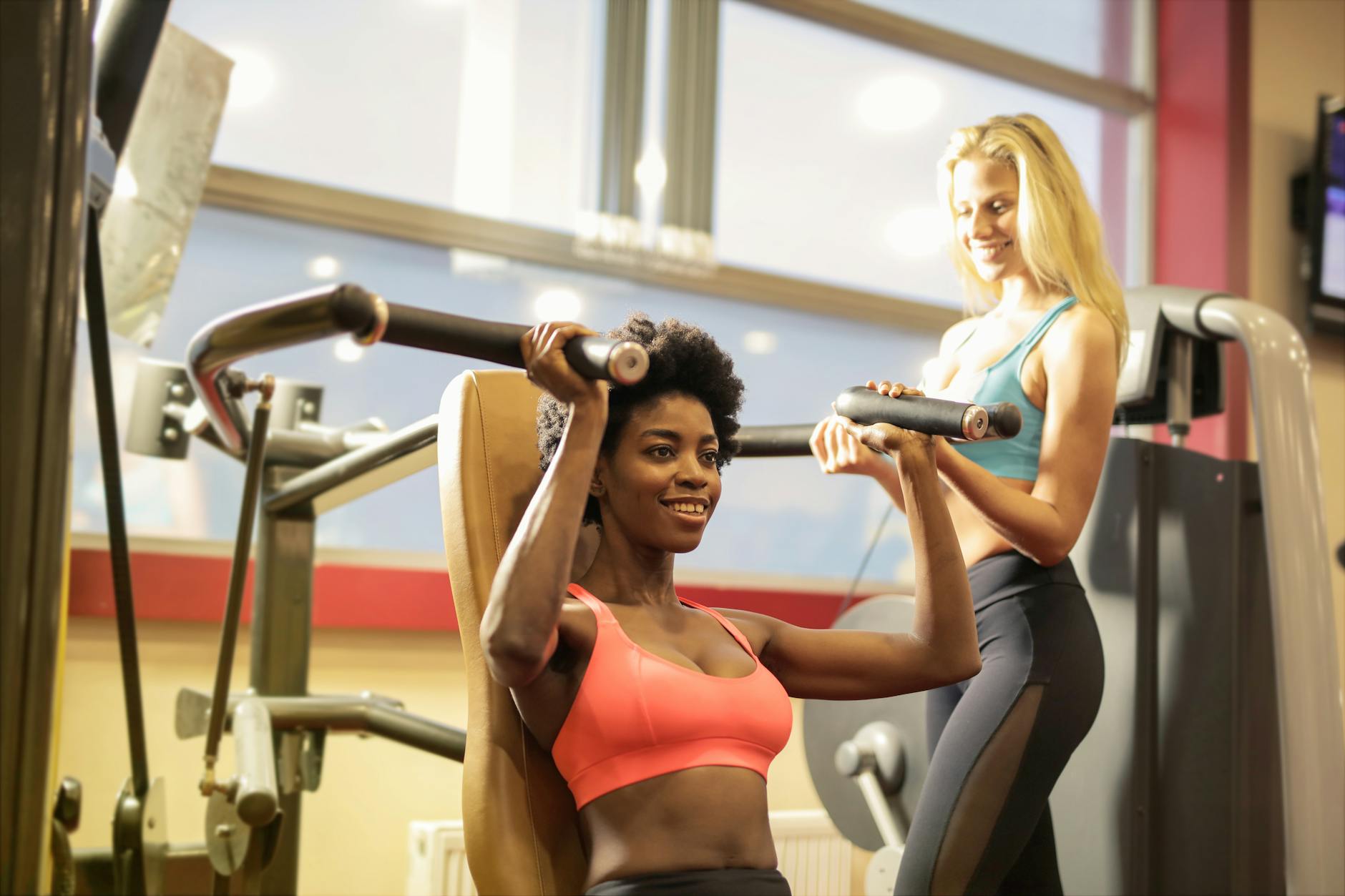
Most fitness apps are built by gym rats for gym rats.
You open them up and get blasted with “HIIT SHRED EXTREME” and “30-DAY BEAST MODE CHALLENGE.” The interface has seventeen buttons. The first workout asks for your one-rep max.
You close the app. Maybe tomorrow.
Here’s the truth: you don’t need a PhD in exercise science to get started. You need a workout app for beginners that treats you like a human being, not a future bodybuilder.
Why Most Fitness Apps Fail Beginners
I’ve built 26 iOS apps. I’ve seen thousands of user reviews. The pattern is clear.
Beginners quit fitness apps for three reasons:
Too complicated. Apps with social feeds, nutrition tracking, progress photos, and workout logging. You want to do ten push-ups, not manage a fitness portfolio.
Too intense. Starting with 45-minute workouts is like learning piano with Rachmaninoff. You’ll burn out before you build the habit.
Too gym-focused. Most apps assume you have dumbbells, barbells, and machines. You have a living room and maybe some water bottles.
What Makes a Great Workout App for Beginners
After building GymCoach and talking to hundreds of users, I learned what actually works.
Simple Interface
Three buttons max on the main screen. Start workout. View progress. Settings. That’s it.
You’re not launching a rocket. You’re trying to move your body for twenty minutes.
Bodyweight Focus
The best beginner apps use bodyweight exercises. Push-ups, squats, lunges, planks. No equipment needed.
Your body is the only gym you need. This ties perfectly with a solid home workout guide approach.
Progressive Structure
Week one: ten minutes, basic moves. Week four: fifteen minutes, slightly harder variations. Week eight: twenty minutes, intermediate exercises.
Small steps. Sustainable progress.
Clear Instructions
Video demonstrations for every exercise. Not just a name and a rep count.
“Mountain climbers” means nothing to someone who’s never done one. Show them.
Top Features to Look For
When choosing your first fitness app, prioritize these features:
Customizable workout length. Some days you have five minutes. Some days you have thirty. The app should adapt.
Rest day reminders. Good apps tell you when to work out AND when to rest. Recovery matters.
Modification options. Can’t do a full push-up? The app should offer knee push-ups or wall push-ups.
Progress tracking that’s not overwhelming. A simple calendar showing workout days is better than seventeen different charts.
Offline capability. Your workout shouldn’t depend on WiFi.
My Recommendations
I built GymCoach specifically for this problem. It starts with five-minute bodyweight workouts and scales up gradually. No gym required.
But I’m biased. Here are other solid options:
Seven focuses on seven-minute workouts. Perfect for building the habit without time pressure.
Nike Training Club has great beginner programs. Filter by “no equipment” and “beginner.”
Sworkit offers customizable workout lengths starting at five minutes.
For timing your workouts, Tempo keeps things simple with customizable intervals.
Building Your First Routine
Start stupidly small. I’m talking embarrassingly small.
Week 1-2: Five minutes, three times per week. Basic squats, push-ups (modified if needed), and planks.
Week 3-4: Ten minutes, three times per week. Add lunges and mountain climbers.
Week 5-8: Fifteen minutes, four times per week. Introduce jumping jacks and burpees.
The goal isn’t to get ripped in thirty days. It’s to still be working out in thirty weeks.
Pair this with good HIIT timer apps once you’re ready for interval training.
Common Beginner Mistakes
Doing too much too soon. Your motivation is highest on day one. Don’t blow it all in one workout.
Skipping rest days. Your muscles grow during recovery, not during the workout.
Comparing yourself to others. Social features in fitness apps can be motivating or crushing. Know which one you are.
Ignoring form for reps. Five perfect squats beat twenty sloppy ones.
Not tracking progress. You need to see you’re improving. Even basic tracking helps.
Making It Stick
The hardest part isn’t the workout. It’s showing up consistently.
Same time every day. Your brain loves routine. Pick a time and stick to it.
Lay out workout clothes the night before. Remove friction wherever possible.
Start before you’re ready. Waiting until Monday, or next month, or after vacation never works.
Celebrate small wins. Completed your third workout this week? That’s worth celebrating.
Sometimes I’ll throw on some white or brown noise after workouts. Recovery and rest are part of the process.
Advanced Features (When You’re Ready)
Once you’ve been consistent for a month, you might want:
- Heart rate monitoring
- Workout customization
- Progress photos
- Social challenges
- Nutrition tracking
But not yet. Master the basics first.
FAQ
What’s the best workout app for complete beginners?
The best workout app for beginners starts with short, bodyweight exercises and clear video instructions. Look for apps that offer 5-10 minute workouts initially and don’t require equipment. GymCoach was designed specifically for this.
How often should beginners use workout apps?
Start with 3 days per week for the first month. This builds the habit without overwhelming your body. Rest days are crucial for muscle recovery and preventing burnout.
Do beginner fitness apps require equipment?
The best beginner workout apps focus on bodyweight exercises requiring no equipment. Avoid apps that assume you have dumbbells, resistance bands, or gym access when starting out.
How long should beginner workouts be?
Start with 5-10 minute workouts for the first two weeks. Gradually increase to 15-20 minutes over 6-8 weeks. Short, consistent workouts beat long, sporadic ones every time.
The perfect workout app doesn’t exist. But a good enough app that you actually use beats the perfect app gathering digital dust.
Start small. Be consistent. Everything else is just details.
Sources
- World Health Organization — Physical Activity
- Physical Activity Guidelines for Americans, 2nd edition
This article is general information, not medical advice. Talk to a qualified professional about anything affecting your health.
— Dolce
Comments
Comments powered by Giscus. Sign in with GitHub to comment.