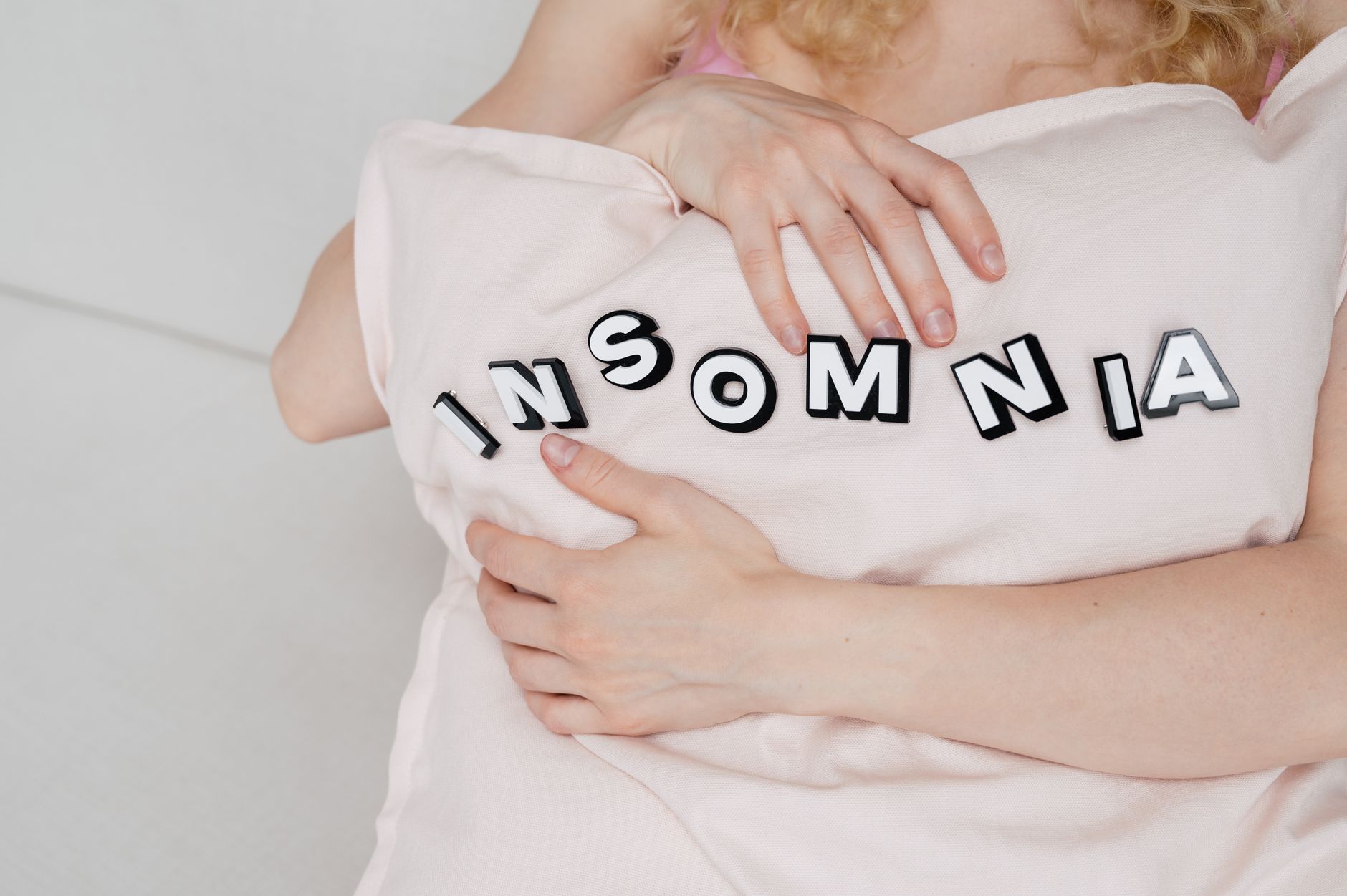
It is 2 AM. You are staring at the ceiling asking yourself how can I go to sleep quicker. You have tried counting sheep. You have tried closing your eyes harder, which is not a real thing but you did it anyway. You have Googled "sleep tips" and found the same recycled advice about chamomile tea. Nothing works. Tomorrow is going to be miserable.
I have been there. Building 26 apps means my brain does not have an off switch. For years I was the guy lying in bed with a head full of code and zero chance of sleeping. I tried everything. Most of it was garbage. But some things actually worked. Here is what I found.
Why You Cannot Fall Asleep (And Why It Is Not Your Fault)
Your brain is not broken. It is overstimulated. Modern life is a firehose of blue light, notifications, caffeine, and stress. Your nervous system is stuck in fight-or-flight mode. Telling it to "just relax" is like telling a car going 90 to just stop. You need brakes.
The problem is not willpower. It is biology. Your circadian rhythm, the internal clock that tells your body when to sleep, gets wrecked by screens, irregular schedules, and late-night eating. When that clock is off, falling asleep feels impossible.
So how can I go to sleep quicker when my body is wired against me? You hack the system.
The 10-Minute Wind-Down That Actually Works
Forget hour-long bedtime routines. Nobody has time for that. Here is a stripped-down protocol that takes ten minutes and actually shifts your nervous system into sleep mode.
Step 1: Kill the Screens (Yes, All of Them)
Thirty minutes before bed. Phone goes on the charger in another room. Not on your nightstand. Another room. The blue light is a problem, sure. But the bigger issue is the dopamine loop. One "quick check" of your phone turns into thirty minutes of scrolling. Every time.
Step 2: Drop Your Body Temperature
Take a warm shower. Not to warm up. The trick is that when you step out, your core body temperature drops rapidly. That temperature drop signals your brain that it is time to sleep. This is one of the most well-studied sleep triggers in the research and most people have no idea.
Step 3: Breathe Like You Mean It
The military uses controlled breathing to fall asleep in combat zones. If it works in a war zone, it works in your bedroom. The 4-7-8 technique is the gold standard. Inhale for 4 seconds. Hold for 7. Exhale slowly for 8. Three rounds of this activates your parasympathetic nervous system. That is the "rest and digest" mode your body needs to fall asleep.
For a deeper dive on breathing methods, check out our guide on breathing exercises for sleep. It covers multiple techniques beyond 4-7-8.
How Can I Go to Sleep Quicker With a Racing Mind?
This is the real battle. Your body is tired but your brain will not shut up. It is replaying conversations, planning tomorrow, worrying about things you cannot control at 1 AM.
The Brain Dump Method
Keep a notebook on your nightstand. Before you try to sleep, write down every thought that is circling in your head. Tasks for tomorrow. Worries. Ideas. Get them on paper. Your brain holds onto thoughts because it is afraid you will forget them. Once they are written down, it lets go. This sounds too simple to work. Try it tonight.
The Cognitive Shuffle
Pick a random letter. Think of words that start with that letter. For each word, picture the object for two seconds. Apple. Anchor. Airplane. Antelope. This technique was developed by a cognitive scientist and it works because it gives your brain just enough to chew on without engaging the problem-solving circuits that keep you awake.
White Noise as a Pattern Interrupt
Silence is not actually ideal for sleep. Your brain listens for threats in silence. A consistent background sound gives it something to latch onto and zone out. White noise for sleep is a deep rabbit hole worth exploring. Rain sounds, brown noise, pink noise. Find what works for your brain.
The Sleep Environment Checklist
Your bedroom is probably sabotaging you. Fix these things once and sleep better every night.
- Temperature: 65-68 degrees Fahrenheit. Cooler than most people keep their rooms. Your body needs to cool down to sleep. Help it.
- Darkness: Total blackout. Not mostly dark. Pitch black. Get blackout curtains or a sleep mask. Even small amounts of light suppress melatonin production.
- Sound: Consistent or none. The problem is not noise itself but unpredictable noise. A car honking at 3 AM wakes you up because your brain flags it as a threat. Steady white noise masks those spikes.
- Mattress and pillow: If yours are older than seven years, replace them. You spend a third of your life on them. This is not the place to save money.
What to Stop Doing After 2 PM
Some of the best sleep advice is about what you stop doing, not what you start.
Caffeine after 2 PM. Caffeine has a half-life of five to six hours. That 4 PM coffee is still half-strength in your bloodstream at 10 PM. Switch to water or herbal tea after lunch.
Heavy meals within three hours of bed. Your digestive system kicks into high gear after a big meal. That is the opposite of what you want when trying to sleep. Eat dinner earlier or keep it light.
Intense exercise within two hours of bed. Exercise is great for sleep. But hard workouts raise your core temperature and adrenaline. Morning or afternoon workouts improve sleep quality. Late-night gym sessions wreck it.
Alcohol as a sleep aid. Alcohol makes you fall asleep faster but destroys sleep quality. You spend less time in REM and deep sleep. You wake up feeling like you did not sleep at all. Because functionally, you barely did.
The Long Game: Fixing Your Sleep for Good
Quick fixes are great for tonight. But if you are asking how can I go to sleep quicker on a regular basis, you need to fix the underlying system.
Same bedtime every night. Even weekends. Your circadian rhythm does not know it is Saturday. Consistency is the single most powerful sleep tool that exists. Boring but true.
Morning sunlight within 30 minutes of waking. Bright light in the morning sets your circadian clock. Ten minutes of sunlight tells your brain "this is morning, start the countdown to tonight's melatonin release." This one change fixes more sleep problems than any supplement.
Build a breathing exercises for sleep habit. Make the breathwork routine automatic. Same time, same technique, every night. After two weeks your body starts the shutdown sequence the moment you begin the breathing pattern.
FAQ
How long should it take to fall asleep?
Healthy sleep latency is 10-20 minutes. If you are out in under 5, you are probably sleep-deprived. If it takes over 30 minutes regularly, something in your routine needs to change.
Does melatonin actually work?
Melatonin helps with timing, not with knockout power. It is useful for jet lag or shifting your sleep schedule. It is not a sleeping pill. Start with 0.5mg, not the 10mg bombs they sell at the pharmacy. More is not better with melatonin.
Is it bad to read in bed?
Physical books are fine. They can actually help you fall asleep. E-readers and phones are not fine. The light and the temptation to switch to an app make them counterproductive.
What if I have tried everything and still cannot sleep?
See a doctor. Persistent insomnia can be a symptom of sleep apnea, anxiety disorders, or other medical conditions. There is no shame in getting professional help. Cognitive behavioral therapy for insomnia has a higher success rate than sleeping pills and no side effects.
Start Tonight
You do not need to overhaul your entire life. Pick one thing from this guide. The temperature drop trick. The 4-7-8 breathing. The brain dump. Try it tonight. Stack another technique next week. In a month you will not be staring at the ceiling anymore.
-- Dolce

Comments
Comments powered by Giscus. Sign in with GitHub to comment.