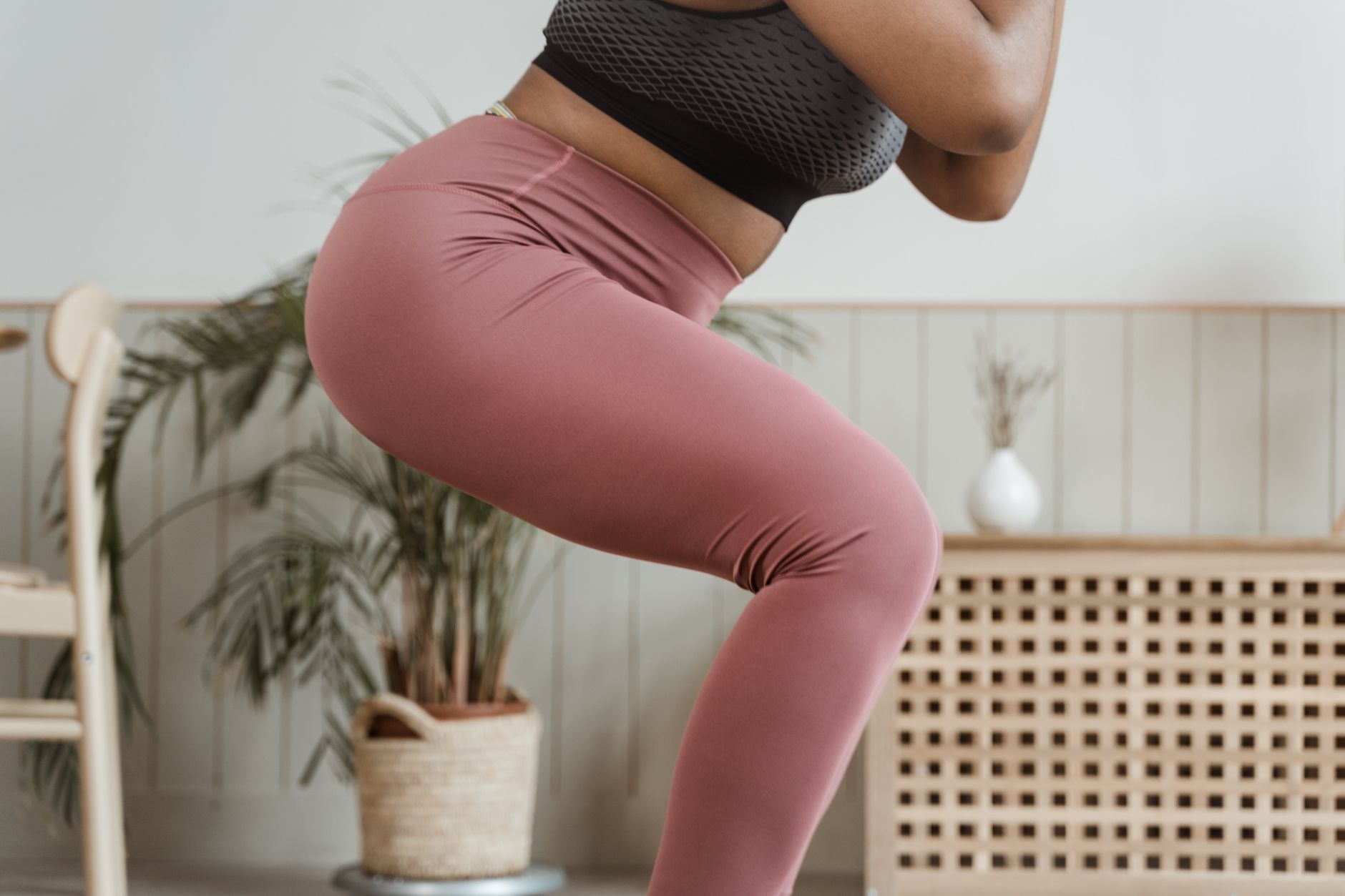
The Only Squat Routine You Need for Real Gains
Most squat routines you find online are either way too complicated or way too easy. They are built for Instagram, not for people who actually want stronger legs. A good squat routine does not need twelve variations and a spreadsheet. It needs progressive overload, consistency, and proper form. That is it.
Let us build one that works.
Why Squats Beat Everything Else
The squat is the single most effective lower body exercise. It hits your quads, hamstrings, glutes, core, and even your back. No machine replicates it. No isolation exercise comes close. If you could only do one exercise for the rest of your life, the squat should be it.
But here is where people mess up. They treat squats like a casual thing. A few sets here, some random reps there. No structure. No plan for getting stronger. That is not a squat routine. That is just squatting sometimes.
A real routine has a progression scheme. It tells you what to do this week and next week. It forces adaptation. Without that, you are spinning your wheels.
The Squat Routine: 3 Days Per Week
This program works for beginners and intermediates. Advanced lifters can adapt the volume.
Day 1 — Heavy
- Back Squat: 5 sets of 5 reps (heavy weight, 85% of max)
- Rest: 3 minutes between sets
- Goblet Squat: 3 sets of 10 reps
- Rest: 90 seconds
Day 2 — Volume
- Back Squat: 4 sets of 8 reps (moderate weight, 70% of max)
- Rest: 2 minutes between sets
- Bulgarian Split Squat: 3 sets of 10 per leg
- Rest: 90 seconds
- Wall Sit: 3 holds of 45 seconds
Day 3 — Speed and Power
- Back Squat: 6 sets of 3 reps (moderate weight, 75% of max, explosive)
- Rest: 2 minutes between sets
- Jump Squat: 4 sets of 8 reps (bodyweight)
- Rest: 90 seconds
Add 5 pounds to your working weight every week on the heavy day. When you stall, deload by 10% and build back up. This is linear progression and it works for months before you need anything fancier.
No Barbell? No Problem
You do not need a gym. A solid squat routine works with bodyweight, dumbbells, or a kettlebell. If you are training at home, check out our full home workout guide for equipment-free alternatives.
Here is a home-friendly version of the routine:
Day 1: Pistol squat progressions 5x5, goblet squat 3x12 Day 2: Bodyweight squat 4x20, Bulgarian split squat 3x12 per leg, wall sit 3x60s Day 3: Jump squat 6x8, pause squat (bodyweight) 4x10 with 3-second hold at bottom
The principles stay the same. Progressive overload just looks different. Add reps, add a pause, add a tempo change. There is always a way to make it harder.
Form That Actually Matters
Forget the noise about perfect squat form. Here is what actually matters:
Feet. Shoulder width or slightly wider. Toes pointed out 15-30 degrees. Whatever feels natural.
Depth. Hips below parallel. If you cannot get there, work on ankle and hip mobility. Half squats build half results.
Back. Neutral spine. Not arched. Not rounded. Brace your core like someone is about to punch you in the stomach.
Knees. They track over your toes. The old "knees should not pass your toes" advice is outdated and wrong. Let them travel naturally.
Breathing. Big breath at the top. Hold it on the way down and through the sticking point. Exhale at the top. This is called the Valsalva maneuver and it stabilizes your spine.
Common Squat Routine Mistakes
Too much variety. You do not need front squats, hack squats, sissy squats, and Zercher squats in the same program. Pick 2-3 squat variations and get strong at them.
Skipping the hard days. Heavy day is supposed to be hard. That is the point. If you are not grinding on rep 4 and 5, the weight is too light.
Ignoring recovery. Your squat routine means nothing if you sleep five hours and eat like garbage. Muscles grow during recovery, not during the workout. For better recovery, prioritize sleep. A white noise app can help if you struggle falling asleep after intense training days.
No tracking. If you do not know what you squatted last week, you cannot beat it this week. Log everything. Use GymCoach to track your sets, reps, and weights so you never guess.
The Timeline
Stick with this squat routine for 12 weeks. Here is what to expect:
- Weeks 1-3: Learning the groove. Weight feels awkward. Form improves fast.
- Weeks 4-8: Strength jumps. You are adding weight consistently. Legs look different.
- Weeks 9-12: Gains slow but you are significantly stronger than day one. Time to reassess and potentially switch to an intermediate program.
A beginner can reasonably add 60-90 pounds to their squat in 12 weeks. An intermediate might add 20-40. Both are worth celebrating.
Stop overcomplicating this. Pick the routine. Follow the progression. Show up three times a week. Your legs will have no choice but to grow.
-- Dolce
FAQ
How often should I do a squat routine per week?
Three days per week is the sweet spot for most people. It provides enough stimulus for growth while allowing adequate recovery between sessions. Beginners can handle three days easily. Advanced lifters may need to adjust volume per session.
Can I build legs with just squats and no other exercises?
Yes. Squats hit every major muscle in your lower body. Adding accessories like lunges or leg curls can help address weak points, but a squat-only routine will build impressive legs if you progressively overload and stay consistent.
Should I squat if my knees hurt?
Minor discomfort during the first few sessions is normal as your body adapts. Sharp pain or persistent aching is not. Check your form, reduce the weight, and see a professional if pain continues. Most knee pain from squats comes from poor mechanics, not the exercise itself.
What weight should I start my squat routine with?
Start with just the barbell (45 pounds) if you are new. If that feels too heavy, use a goblet squat with a light dumbbell. Ego has no place here. Start light, nail the form, and add weight every week. You will catch up fast.
Comments
Comments powered by Giscus. Sign in with GitHub to comment.