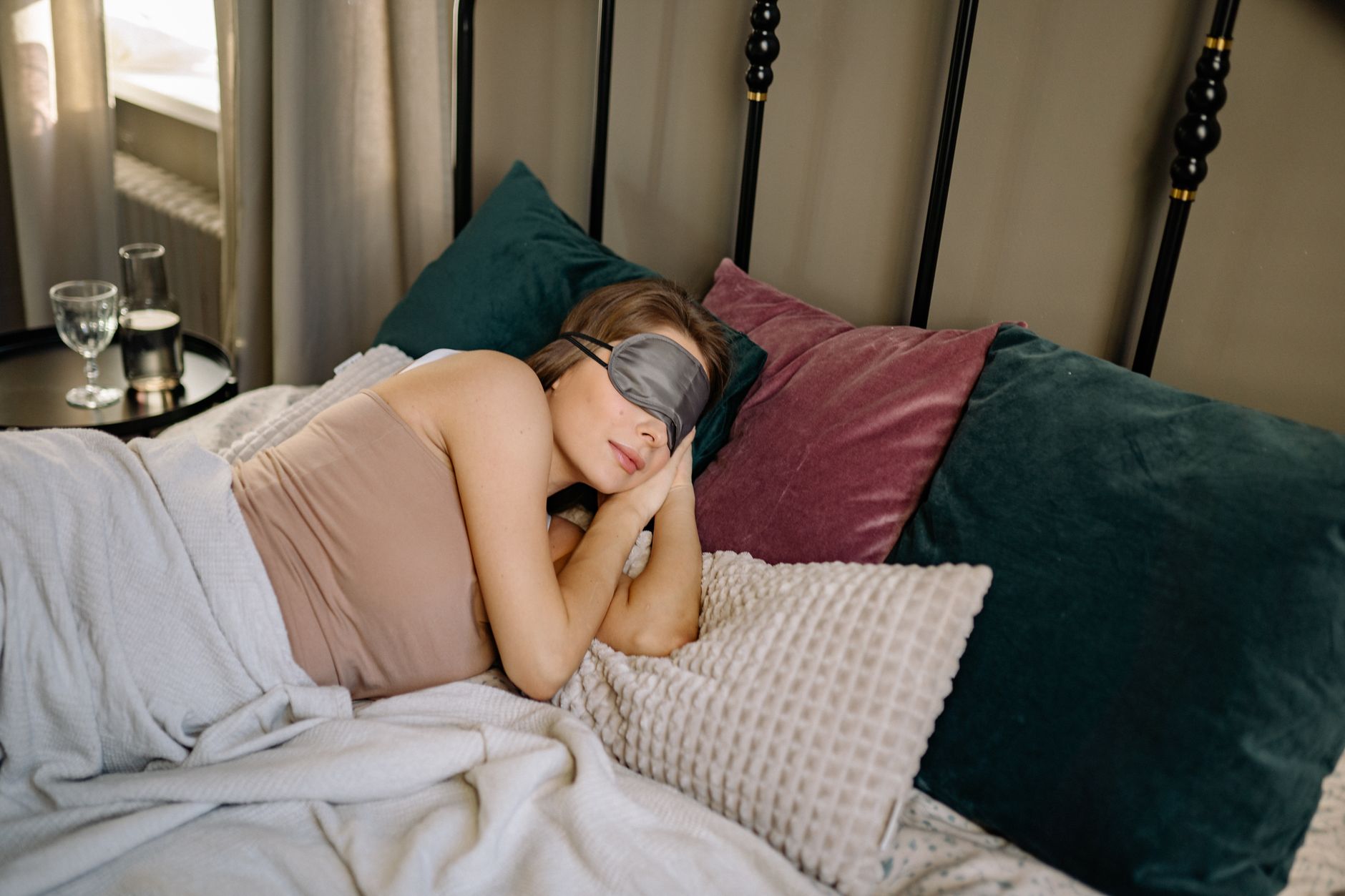
How to Fast Asleep: A No-Nonsense Sleep Guide
You've tried counting sheep. You've tried warm milk. You've probably even tried those ASMR videos that sound like someone eating a microphone. Nothing sticks. The real question isn't what random hack to try next — it's understanding why your body refuses to cooperate and fixing the actual problem. If you want to know how to fast asleep every night, the answer is methods backed by sleep science, not TikTok.
The Biology of Falling Asleep
Sleep isn't a switch. It's more like a dimmer. Three things need to happen simultaneously to understand how to fast asleep consistently:
- Adenosine pressure must be high enough (this builds the longer you're awake)
- Core body temperature must drop 1-2°F from your daytime baseline
- Melatonin must be flowing, which requires darkness
When people say "I can't sleep," at least one of these three is off. Napped at 4 PM? Adenosine pressure is low. Room is 74°F? Body can't cool down. Scrolling Instagram in bed? Melatonin is suppressed. Fix the root cause and the symptom disappears.
Step 1: Engineer Your Room for Sleep
Your bedroom is probably working against you. Here's the exact setup:
Temperature: 65-68°F (18-20°C). This is colder than most people keep their rooms. Get a fan or crack a window. Your body dumps heat through your hands and feet to cool your core — which is why sleeping with socks on (warm extremities, cooler core) actually accelerates sleep onset.
Light: Zero. Not dim — zero. Cover your router lights with electrical tape. Get blackout curtains (the $30 ones on Amazon work fine). Researchers at Northwestern found that even sleeping in a room with dim ambient light increased insulin resistance and heart rate during sleep. Darkness isn't a preference; it's a requirement.
Sound: Consistent. A quiet room isn't ideal because your brain stays alert to detect changes. White noise or pink noise creates an audio floor that masks disruptions. Pink noise specifically has been linked to a 23% increase in deep sleep in clinical studies. Use a dedicated app rather than YouTube — no ads interrupting at 3 AM.
Step 2: The 90-Minute Wind-Down
You can't go from full alertness to asleep in 5 minutes. Your nervous system doesn't work that way. Build a 90-minute runway:
- T-minus 90 minutes: Warm shower. The post-shower cooling effect drops your core temperature and signals your body that sleep is coming.
- T-minus 60 minutes: All screens off. Blue-light glasses are a half measure. The real move is putting your phone in a different room. Read a physical book. Write in a journal.
- T-minus 30 minutes: Dim all lights. Take magnesium glycinate (200-400mg) if you use it. Start your white noise.
- T-minus 10 minutes: In bed. Lights fully off. Begin your breathing technique.
This protocol feels rigid at first. After a week, it becomes automatic. Your brain starts associating each step with approaching sleep, and by the time you're in bed, you're already halfway there.
Step 3: Breathing Techniques That Actually Knock You Out
The 4-7-8 Method
Inhale through your nose for 4 seconds. Hold for 7. Exhale slowly through your mouth for 8. Four cycles.
The magic is in the exhale. A longer exhale than inhale forces your vagus nerve to downshift your entire nervous system. Heart rate drops. Muscles release tension you didn't know was there. After 2-3 cycles, you'll feel a heaviness settle over you.
Box Breathing (4-4-4-4)
If holding your breath for 7 seconds feels uncomfortable, try box breathing: inhale 4 seconds, hold 4, exhale 4, hold 4. Navy SEALs use this to manage stress in combat. It's equally effective for managing the stress of lying awake at 1 AM.
Body Scan
Start at the top of your head. Slowly move your awareness down — forehead, eyes, cheeks, jaw, neck, shoulders, arms, hands, chest, stomach, hips, thighs, calves, feet. Spend about 5 seconds on each area. Don't try to relax anything; just notice it.
Most people don't make it past their chest before drifting off.
Step 4: Fix Your Schedule (The Part Nobody Wants to Hear)
Every sleep expert says the same thing because it's true: consistent wake time is the most powerful sleep tool that exists. Same time every single day. Weekends included.
Your circadian clock anchors to when you wake up, not when you go to bed. A fixed wake time of 6:30 AM means your body will naturally produce melatonin around 10-10:30 PM. Shift that wake time to 9 AM on weekends, and you've given yourself jet lag without leaving your zip code.
Two weeks of a fixed wake time transforms how to fast asleep on command. It's boring advice. It works better than any supplement, gadget, or app.
What to Stop Doing Immediately
Caffeine after noon. Half-life of 5-6 hours means your 2 PM coffee is still 25% active at midnight. Switch to decaf after lunch.
Alcohol before bed. A glass of wine makes you drowsy. It also fragments your sleep architecture, suppresses REM sleep, and causes middle-of-the-night wakeups as your liver processes it. Terrible trade-off.
Exercising within 3 hours of bed. Exercise raises your core temperature and cortisol. Both need to drop for sleep. Morning or afternoon workouts improve sleep quality; evening workouts sabotage it. Light stretching or yoga is the exception.
Lying in bed awake. If you've been in bed for 20 minutes and you're not drowsy, get up. Go to another room. Do something boring. Come back when sleepiness hits. This is called stimulus control, and it's one of the most effective evidence-based insomnia treatments.
Supplements: The Short List
Most sleep supplements are overpriced pixie dust. Three have actual evidence:
- Magnesium glycinate (200-400mg): Supports GABA activity, the neurotransmitter that calms your brain. The glycinate form is best absorbed and least likely to cause digestive issues.
- L-theanine (200mg): An amino acid from green tea that promotes alpha brain waves — the relaxed-but-awake state that precedes sleep.
- Melatonin (0.3-0.5mg): Most products sell 5-10mg, which is 10-30x the effective dose. Micro-dosing melatonin works better with fewer side effects.
Skip ZMA, valerian, CBD, and anything in a proprietary blend.
When It's More Than Bad Habits
If you've implemented all of this for a month and you're still struggling, see a sleep specialist. Conditions like sleep apnea, restless leg syndrome, and delayed sleep phase disorder won't respond to lifestyle changes alone.
Ask about CBT-I (cognitive behavioral therapy for insomnia). It's more effective than sleeping pills in every long-term study ever conducted, with zero side effects. It should be the gold standard treatment. Instead, most doctors write a prescription in 5 minutes. Push back.
The Bottom Line
Learning how to fast asleep comes down to working with your body's systems instead of against them. Cool dark room, consistent schedule, breathing technique, no stimulants late in the day. Not glamorous. Brutally effective.
Pick three things from this guide. Do them tonight. Do them every night for a week. Then add more. Stacking small wins is how you go from staring at the ceiling to being out in 10 minutes flat.
-- Dolce
Comments
Comments powered by Giscus. Sign in with GitHub to comment.