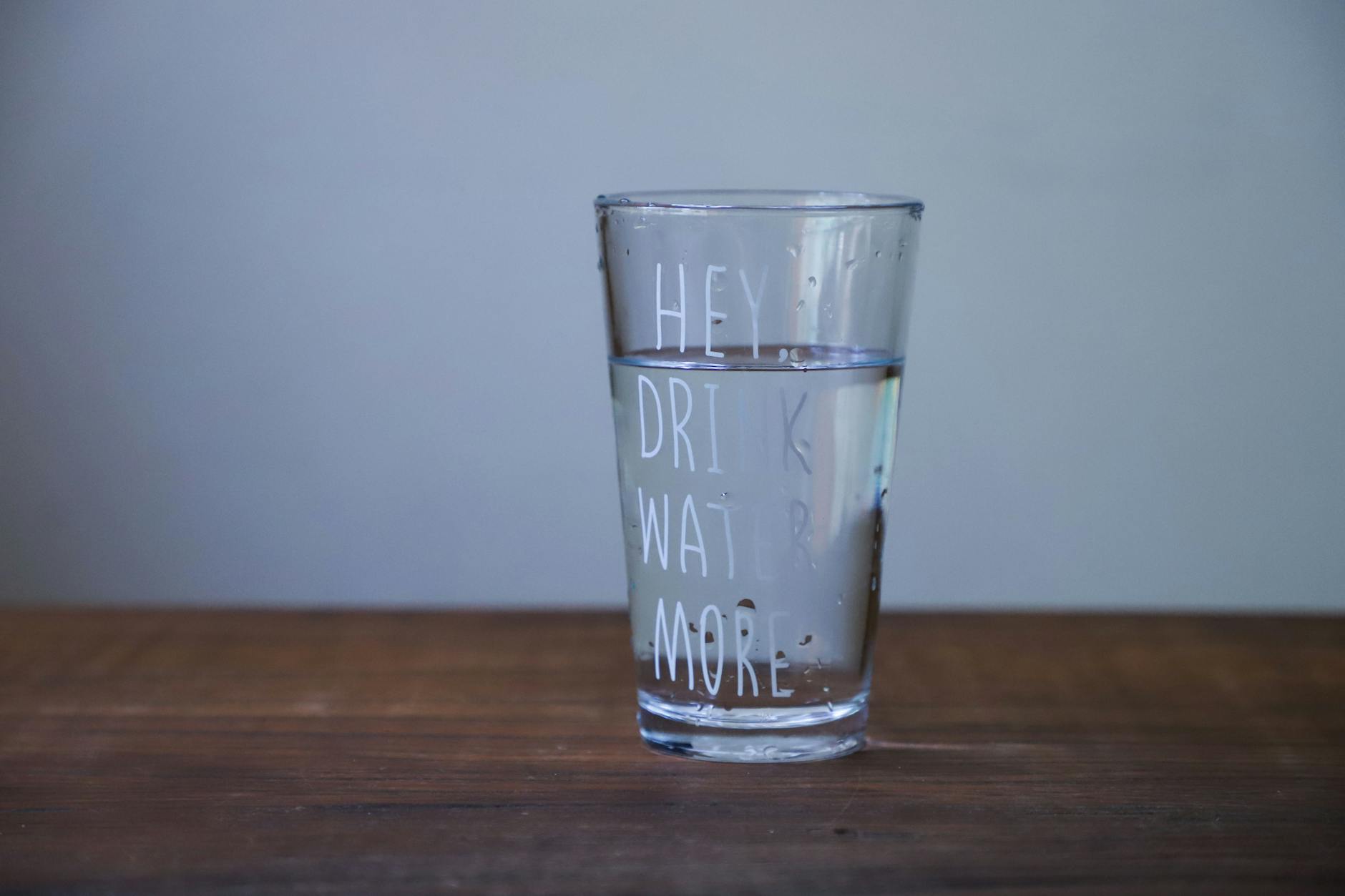
"Drink 8 glasses of water a day."
You've heard it a thousand times. Your doctor says it. Your wellness influencer says it. The poster in your gym bathroom says it.
Nobody can tell you where the number came from. Because it was essentially made up.
The 8-glasses recommendation has no solid scientific origin. A 2002 review in the American Journal of Physiology found zero evidence supporting it. Yet it persists because it's simple, memorable, and sounds medical.
So how many bottles of water should you actually drink a day? It depends. But I'll give you a formula that's actually based on something real.
The Real Formula
Take your body weight in pounds. Divide by two. That's roughly how many ounces of water you need daily.
- 150 lbs → 75 oz → about 4.5 standard water bottles (16.9 oz)
- 180 lbs → 90 oz → about 5.3 bottles
- 200 lbs → 100 oz → about 6 bottles
- 130 lbs → 65 oz → about 4 bottles
This is a baseline. Adjust upward for:
- Exercise: Add 16-20 oz per hour of activity
- Hot climate: Add 16-32 oz on hot days
- Caffeine: Coffee is mildly dehydrating. Add 8 oz per cup of coffee
- Altitude: Higher elevations increase water loss through breathing
Most people need 3-6 standard water bottles per day. Not eight glasses. Not a gallon. Somewhere in between, scaled to their body.
How to Know If You're Drinking Enough
Forget the formula. Your body gives you two dead-simple indicators:
1. Urine Color
- Pale yellow: You're hydrated.
- Dark yellow: Drink more.
- Clear: You're overhydrating. Yes, that's a thing.
Pale straw color is the target. If you're checking every time, you'll naturally dial in the right amount.
2. Thirst
This sounds too simple. It is. But thirst is a finely tuned biological signal that's been keeping humans alive for 200,000 years. If you're thirsty, drink. If you're not, you're probably fine.
The exception: older adults (65+) have a reduced thirst response. If you're in that group, set a schedule rather than relying on thirst.
Why You Might Be Chronically Dehydrated
Most people don't drink enough. Not because they don't know they should — because they forget.
You get busy at work. You skip water during meetings. You have coffee instead. By 3 PM, you've had 16 oz of water and 32 oz of coffee. You're dehydrated and wired.
Symptoms of mild dehydration:
- Headaches
- Fatigue (the 3 PM crash is often dehydration, not sleep)
- Difficulty concentrating
- Dry skin
- Dizziness when standing
These are so common that people accept them as normal. They're not. They're your body asking for water.
If you need reminders, a water reminder app can help build the habit until it becomes automatic.
Practical Tips That Actually Work
Carry a water bottle everywhere
This is the single most effective thing you can do. If water is within arm's reach, you'll drink it. If it requires getting up and going to the kitchen, you won't.
Get a 32 oz bottle. Fill it twice a day. Done.
Front-load your water
Drink 16-20 oz first thing in the morning. Before coffee. Before anything. You've been fasting for 7-8 hours overnight and lost water through breathing and sweating.
This single habit covers 20-25% of your daily needs before you leave the bathroom.
Tie it to meals
Drink a full glass of water before every meal. This covers another 24+ oz and has the bonus of reducing overeating — water before meals fills your stomach.
Stop overthinking it
You don't need fancy electrolyte packets, alkaline water, hydrogen water, or structured water (whatever that is). Tap water works. Filtered water works. The water from your fridge works.
The best water is the water you actually drink.
What About Other Liquids?
All fluids count toward hydration:
- Tea and coffee: mostly water. The caffeine is mildly diuretic but the net effect is still hydrating.
- Fruits and vegetables: watermelon is 92% water. Cucumber is 95%.
- Milk, juice, soup: all hydrating.
The only things that don't count (or actively dehydrate): alcohol and very high-sodium drinks.
So yes, your morning coffee counts. Your afternoon tea counts. You don't need to drink only plain water to stay hydrated.
FAQ
How many bottles of water should I drink a day to lose weight?
Your regular amount plus an extra 16-32 oz. Studies show drinking 500ml (17 oz) of water before meals reduces calorie intake by 75-90 calories per meal. Over a month, that adds up to 1-2 pounds of weight loss from water alone.
Can you drink too much water?
Yes. Hyponatremia (water intoxication) happens when you drink so much that sodium levels become dangerously diluted. It's rare in normal conditions but can happen during endurance events. If your urine is consistently clear, you're likely drinking more than you need.
Does sparkling water count?
Yes. Sparkling water hydrates identically to still water. The carbonation doesn't affect absorption. Drink it if you prefer it.
Should I drink water during or between meals?
Both are fine. The myth that water "dilutes stomach acid" during meals has been debunked. Your stomach produces acid on demand. Drink whenever you want.
— Dolce
Comments
Comments powered by Giscus. Sign in with GitHub to comment.