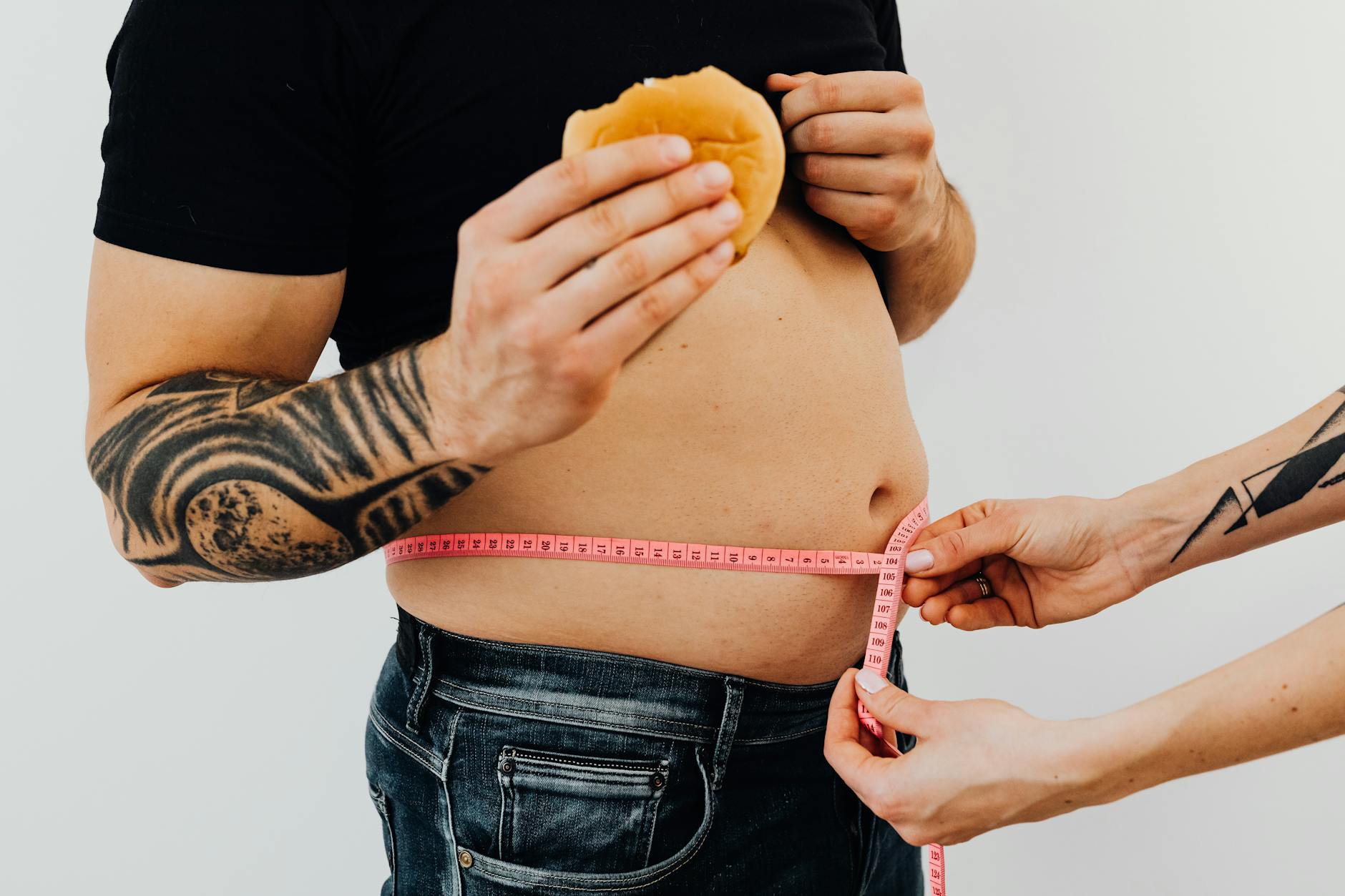
Hours of Fasting: How Many Do You Need?
Everyone argues about hours of fasting like there is one magic number. Sixteen hours. Twenty hours. Thirty-six hours. The internet is full of people swearing their window is the only one that works. Most of them have no idea what they are talking about.
Here is what is actually true. Different hours of fasting trigger different biological processes. The right number depends on your goal. Lose fat? Improve insulin sensitivity? Boost autophagy? Each has a different threshold. And picking the wrong window means you suffer through hunger for nothing.
Let me break down what happens hour by hour so you can stop guessing.
What Happens at Each Stage of Fasting
Your body does not flip a single switch when you stop eating. It moves through stages. Understanding these stages is the entire game.
0-4 hours: Fed state. Your body digests and absorbs your last meal. Blood sugar rises. Insulin spikes. Nothing interesting happening yet. You are still running on that burrito. Your metabolism is focused entirely on processing what you just ate.
4-8 hours: Early fasting. Blood sugar normalizes. Insulin starts dropping. Your body begins shifting from glucose to stored glycogen. You might feel slightly hungry. This is noise, not a signal. Your body is not starving. It is transitioning.
8-12 hours: Glycogen depletion. Liver glycogen reserves start running low. Your body begins transitioning to fat oxidation. This is where fasting actually starts doing something. Most people who eat three meals a day plus snacks never reach this point. They refuel before their body ever taps into stored energy.
12-16 hours: Fat burning ramps up. Insulin is low. Growth hormone starts increasing. Your body is now pulling energy from fat stores. This is the sweet spot for basic weight management. The 16:8 protocol lives here for a reason. Your body becomes efficient at using fat as its primary fuel source.
16-24 hours: Autophagy begins. Your cells start cleaning house. Damaged proteins get recycled. Cellular repair accelerates. Ketone production increases, which your brain uses as fuel. Mental clarity often spikes here. Many people report feeling sharper and more focused in this window than they do after a meal.
24-48 hours: Deep autophagy. Significant cellular cleanup. Immune system regeneration begins. This is therapeutic fasting territory. Not for beginners. Not for every week. But once or twice a month, it can be transformative for metabolic health.
48-72 hours: Extended fasting. Stem cell regeneration ramps up. Immune system gets a significant reset. This is powerful but requires medical supervision and experience. Do not start here. Work your way up over months.
Choosing Your Hours of Fasting by Goal
Stop copying what influencers do. Match your fasting window to your actual goal.
Fat loss: 16-20 hours. The 16:8 or 18:6 window gives you enough time in fat-burning mode to see real results. You still eat every day. You still get adequate nutrition. And the adherence rate is high because it is sustainable. Most people just skip breakfast and stop eating after dinner. Simple. Repeatable. Effective.
Metabolic health: 14-18 hours. If your goal is better insulin sensitivity, blood sugar regulation, or reducing inflammation, a consistent 14-16 hour fast does the job. Research supports this window for type 2 diabetes prevention and management. You do not need extreme fasting to fix your metabolic markers. You need consistency.
Autophagy and longevity: 24-36 hours. Once or twice a month, a longer fast triggers deep cellular repair. This is not about calories. It is about giving your body time to clean out damaged cells. If you are new to fasting, build up to this over months. Do not attempt a 36-hour fast if you have never done 16 hours comfortably.
Gut rest: 12-14 hours. Sometimes the goal is just giving your digestive system a break. Twelve hours overnight is enough to reduce gut inflammation and improve digestion. This is fasting's lowest barrier to entry. Almost anyone can do it by simply not eating between dinner and breakfast.
The Biggest Fasting Mistakes
People wreck their fasts in predictable ways.
Going too hard too fast. Jumping from three meals plus snacks to a 24-hour fast is miserable and unnecessary. Start with 12 hours. Add an hour each week. Your body adapts. Rushing the process leads to binging, irritability, and quitting.
Ignoring nutrition in the eating window. Fasting is not a license to eat garbage. If you break a 20-hour fast with pizza and soda, you have wasted your time. Prioritize protein, healthy fats, and vegetables. What you eat matters as much as when you eat.
Drinking calories during the fast. Coffee with cream. Juice cleanses. Bone broth with butter. These all break your fast. Water, black coffee, plain tea. That is the list. Anything with calories triggers an insulin response and pulls you out of the fasted state.
Fasting through genuine distress. Mild hunger is fine. Dizziness, nausea, heart palpitations are not. Know the difference. Break the fast if your body sends real alarm signals. Toughness is not the same as recklessness.
How to Build a Sustainable Fasting Practice
The best hours of fasting are the ones you can maintain for months, not days.
Start with a 12-hour overnight fast. Finish dinner by 8 PM, eat breakfast at 8 AM. Do this for two weeks. Then push breakfast to 10 AM. Two more weeks. Then noon. Now you are doing 16:8 without willpower drama. Your body adjusted gradually. No white-knuckling required.
Track your fasts. Not obsessively. Just enough to build consistency. A good fasting app like FastTrack makes this dead simple. Set your window, start the timer, get notified when your eating window opens. Tracking turns an abstract habit into something concrete and measurable.
If you want the complete breakdown of protocols and meal timing, our beginner's guide to intermittent fasting covers everything from 16:8 to OMAD to alternate day fasting.
The Real Answer
Twelve hours is the minimum for any benefit. Sixteen hours is the sweet spot for most people. Beyond that, you are chasing specific therapeutic goals that require experience and intention.
Pick a window. Stay consistent. Eat well when you eat. That is the whole game.
-- Dolce


Comments
Comments powered by Giscus. Sign in with GitHub to comment.