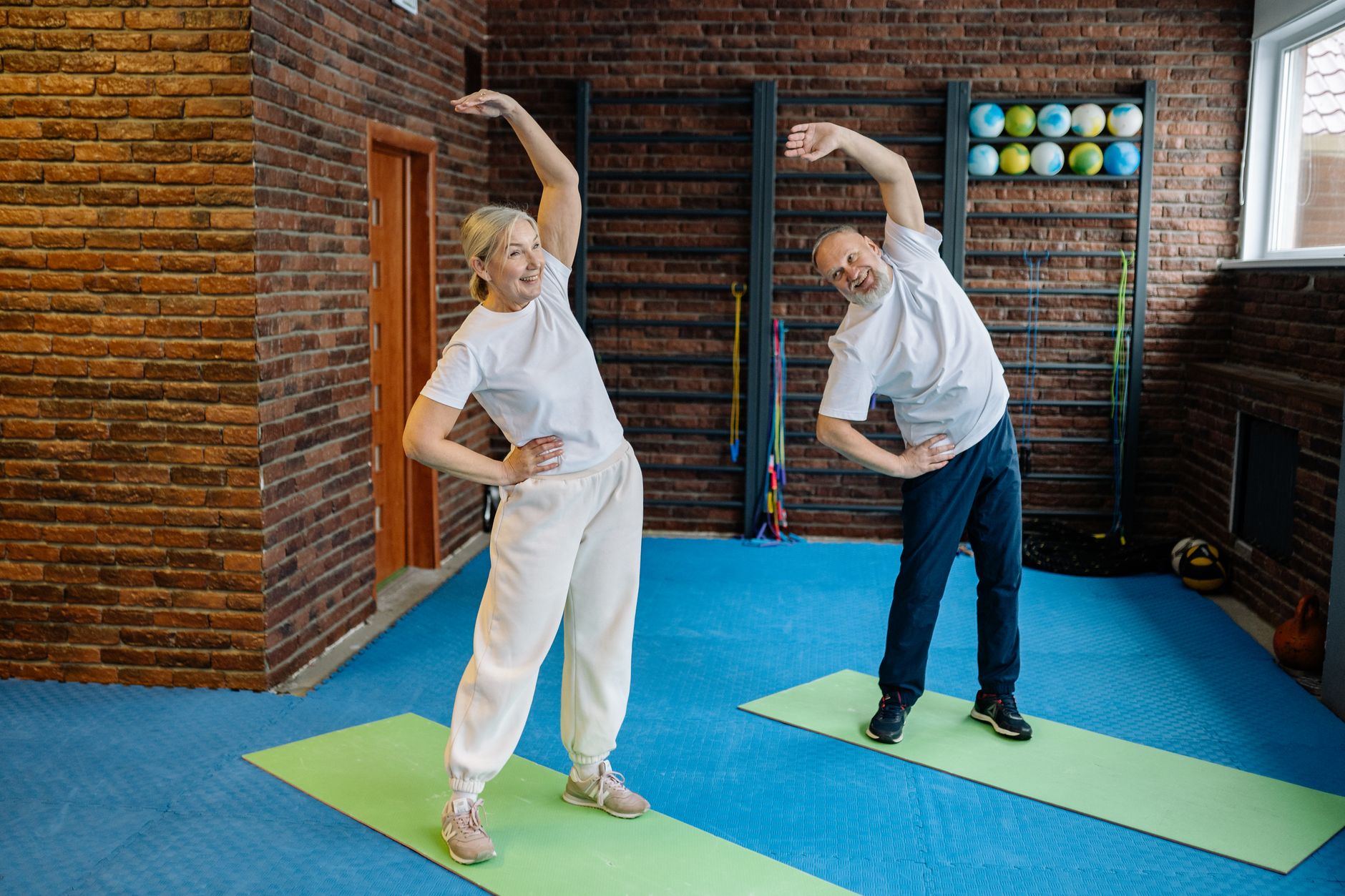
HASfit for Seniors: The Honest Review You Need
Most fitness content treats seniors like they are made of glass. Soft music. Gentle stretching. Patronizing cues. Then there is HASfit for seniors, which actually tries to challenge older adults without being reckless. That alone makes it worth talking about.
But is it enough? Does it actually deliver results? And where does it fall short? I am going to break this down honestly because you deserve more than a puff piece.
What HASfit for Seniors Gets Right
HASfit has built a massive free library on YouTube. The senior-focused content includes low-impact cardio, chair exercises, balance work, and light strength training. Coach Kozak and Claudia keep the energy high without being annoying. The production quality is solid. The instructions are clear.
The biggest win is accessibility. You do not need equipment. You do not need a gym membership. You do not need to figure out complicated movements. You press play and follow along. For someone who has been sedentary for years, that low barrier to entry matters enormously.
The program also scales well. Most exercises show a modification. If standing is difficult, there is a seated version. If bodyweight squats are too easy, they add a hold or pulse. This flexibility means the same workout can serve a wide range of fitness levels.
The variety is another strength. There are hundreds of videos covering different durations and focuses. Feeling energetic? Pick a 30-minute full body session. Short on time? There are effective 10-minute routines. Bad knees? Filter for chair-only workouts. This library approach means you rarely run out of fresh content.
Our home workout guide covers the fundamentals of effective training without a gym, which pairs perfectly with video-based programs like this one.
Where It Falls Short
Here is the problem. Following random YouTube videos is not a program. It is a playlist. There is no structured progression. No periodization. No way to track whether you are actually getting stronger week to week.
HASfit for seniors works great for the first few months. You go from doing nothing to doing something. Your body responds. You feel better. But then what? Without progressive overload, your body adapts and stops changing. You are just maintaining, which is fine if that is your goal, but most people want continued improvement.
The other issue is individualization. A 65-year-old former athlete and a 75-year-old recovering from hip surgery have wildly different needs. One-size-fits-all video workouts cannot account for these differences. They are a starting point, not a destination.
There is also no feedback mechanism. When you do a squat wrong in your living room, nobody corrects you. Poor form repeated hundreds of times creates problems. The videos demonstrate exercises clearly, but they cannot see whether you are actually performing them correctly. This matters more for older adults whose joints are less forgiving of bad mechanics.
What Seniors Actually Need From a Fitness Program
Research is clear on this. Older adults benefit most from four types of training: strength, balance, flexibility, and cardiovascular conditioning. Most video-based programs lean heavily on cardio and flexibility while under-serving strength and balance.
Strength training is not optional after 60. Muscle loss accelerates with age. It affects everything from metabolism to fall risk to the ability to carry groceries up stairs. You need resistance that progressively increases over time. Bodyweight alone stops being sufficient surprisingly fast.
Balance training prevents falls. Falls are the leading cause of injury death in adults over 65. That is not a scare tactic. It is a statistic. Dedicated balance work three times per week dramatically reduces this risk. A few tree poses at the end of a cardio video do not cut it.
Flexibility matters for quality of life. Being able to reach overhead, bend down to tie shoes, and turn your head while driving are functional necessities. Dedicated mobility work keeps these abilities intact as you age. Five to ten minutes of focused stretching daily pays enormous dividends.
Building a Better Approach
Start with HASfit for seniors if you need to. It is free, accessible, and infinitely better than doing nothing. Use it to build the habit of daily movement. Get comfortable exercising at home. Learn the basic movement patterns.
Then graduate to something with structure. You need a program that tracks your progress, increases difficulty over time, and covers all four pillars of senior fitness. The Gym Coach app provides structured workout plans that adapt to your level and progress with you as you get stronger.
Here is a simple framework that works. Three days per week of strength training using dumbbells or resistance bands. Two days of dedicated balance and flexibility work. Daily walking for cardiovascular health. That covers everything.
Start light. Embarrassingly light. Your ego is not your friend here. A 70-year-old starting with 3-pound dumbbells is making a smarter choice than one starting with 15-pound dumbbells and blowing out a shoulder. You have decades of training ahead. There is no rush.
Track everything. Write down your exercises, weights, and reps. If you did 10 squats with 5-pound dumbbells last week, try 12 this week. Or try 10 with 8-pound dumbbells. That is progressive overload. That is how you actually get stronger instead of just going through the motions.
The Mindset Shift That Matters
The fitness industry has failed seniors. It either ignores them or coddles them. Neither approach works. You are not too old to get strong. You are not too fragile to push yourself. But you do need to be smart about it.
The program is a solid on-ramp. Treat it as one. Use it to get moving, build confidence, and establish consistency. Then find a program that challenges you progressively and tracks your improvement over months and years.
Consistency beats intensity at every age. Showing up three times per week for a moderate workout produces better long-term results than going all out once and recovering for a week. Build the habit first. Push the intensity second.
The best shape of your life might be behind you. But the strongest version of your current self is still ahead. Go get it.
-- Dolce

Comments
Comments powered by Giscus. Sign in with GitHub to comment.