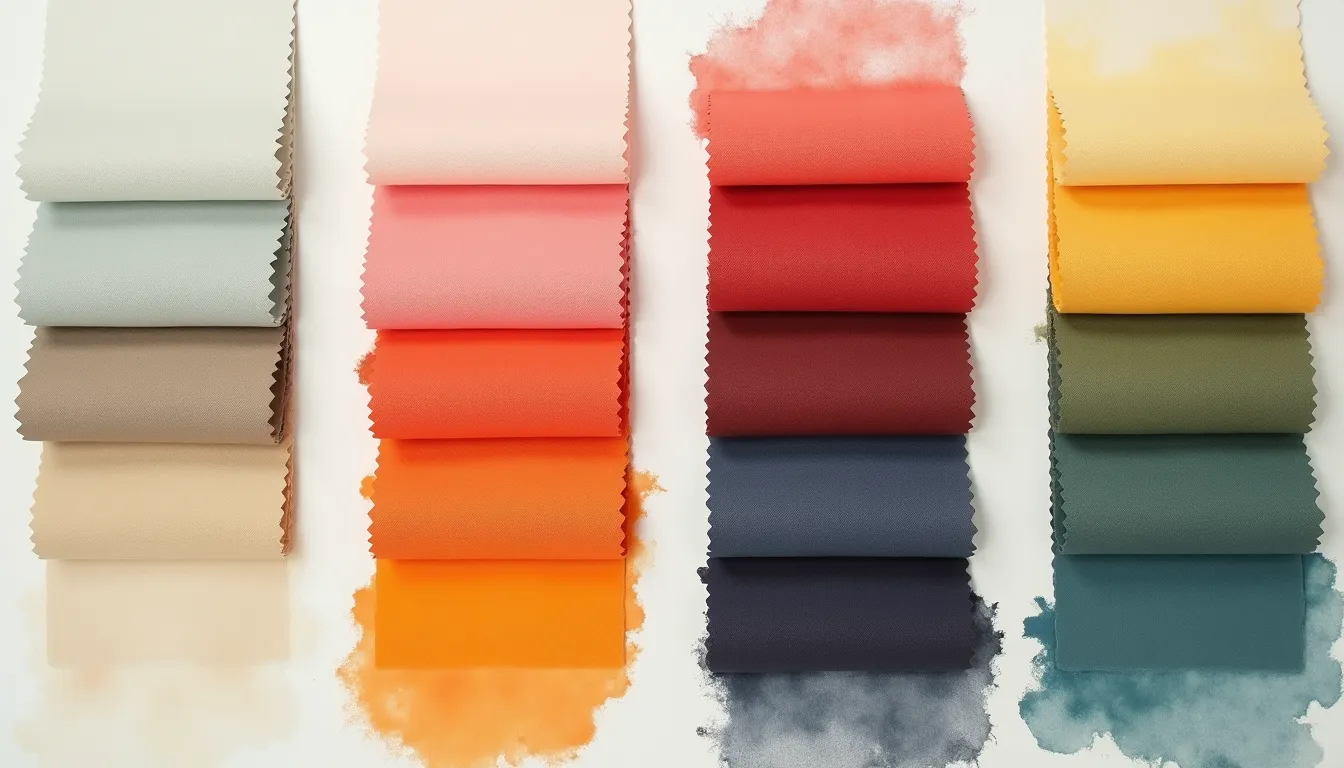
You buy a shirt.
It looked amazing on the rack. The color was beautiful.
You get home. Put it on. Look in the mirror.
Something’s off. You look tired. Washed out. The color that looked great in the store looks wrong on you.
What happened?
Colors interact with your features
Your skin, hair, and eyes have undertones. Warm or cool. Deep or light.
Colors have undertones too.
When the undertones match, you look vibrant. Healthy. Glowing.
When they clash, you look tired. Sickly. Off.
That shirt wasn’t the wrong color. It was the wrong color for you.
The seasonal color system
Color analysis groups people into “seasons” based on their natural coloring:
Spring: Warm, light, bright. Think golden undertones. Summer: Cool, light, muted. Think rosy or ashy undertones. Autumn: Warm, deep, muted. Think rich, earthy tones. Winter: Cool, deep, bright. Think stark contrasts.
Each season has a palette of colors that harmonize with those undertones.
Why this matters
Wearing your colors doesn’t just look better. It:
- Makes your skin look healthier
- Reduces the need for makeup
- Creates a cohesive wardrobe
- Saves money (no more wrong-color purchases)
- Simplifies shopping decisions
“Does this color suit me?” becomes answerable.
Why I built Dresscode
Dresscode brings color analysis to your phone:
- Season analysis — discover if you’re a spring, summer, autumn, or winter
- Your palette — see which colors make you look your best
- Shopping helper — know before you buy if a color works
- Style recommendations — how to combine colors effectively
Stop guessing. Start knowing.
That shirt in the store? Check your palette first. If it’s not your color, it never will be.
Look expensive by understanding what actually suits you.
Related reads:
- Colors Make You Look Expensive — how the right palette transforms your wardrobe
— Dolce


Comments
Comments powered by Giscus. Sign in with GitHub to comment.