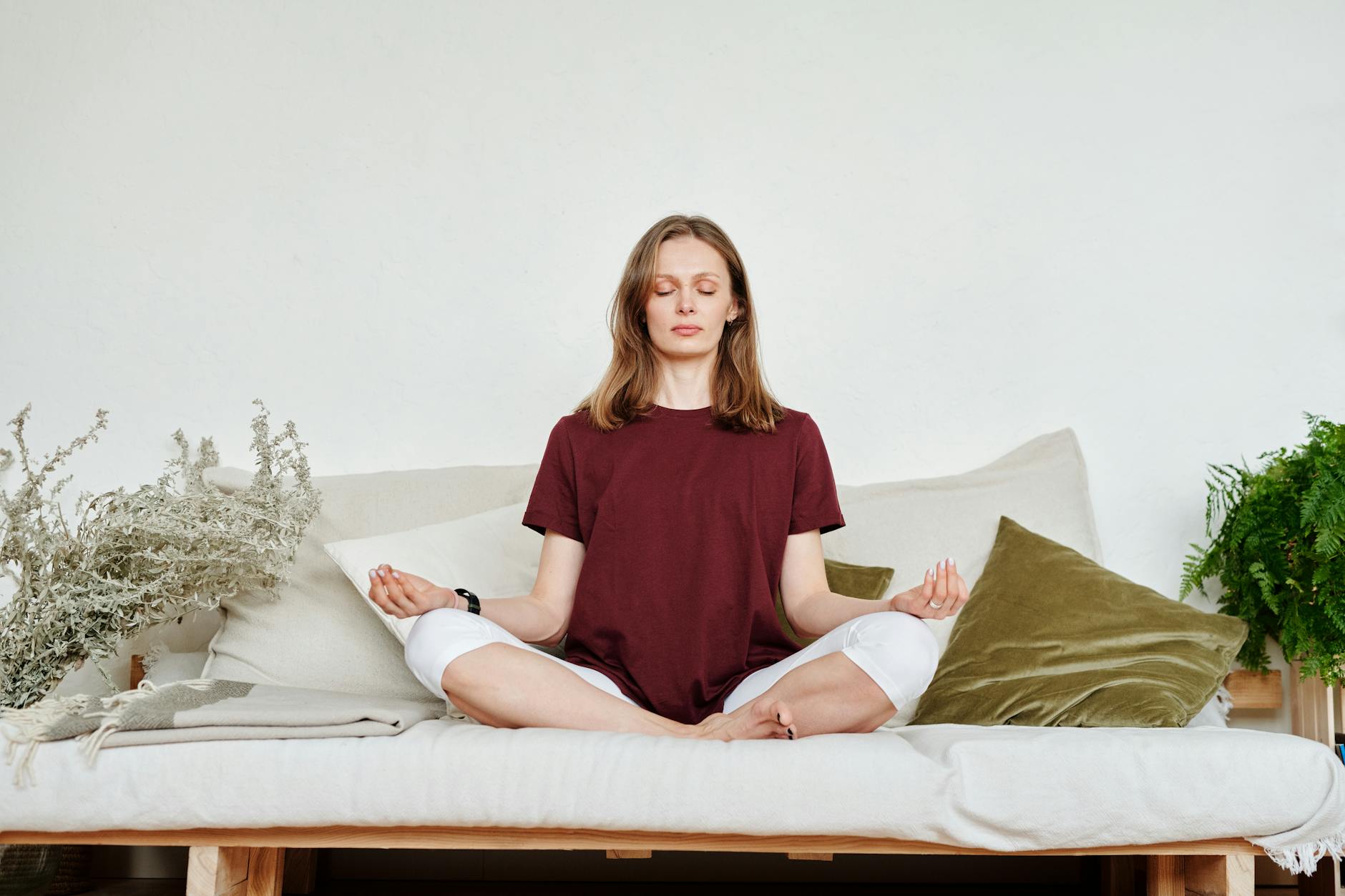
Most mindfulness meditation apps are digital noise machines pretending to bring you peace.
They bombard you with features you don’t need. Streaks, badges, social sharing, courses that take months to finish. It’s like trying to learn silence in a disco.
I’ve built 26 iOS apps. I’ve seen what works and what doesn’t. The best mindfulness meditation app isn’t the one with the most features. It’s the one that gets out of your way.
The Problem With Modern Meditation Apps
Open any popular meditation app. You’ll see:
- 47 different meditation types
- Achievement systems that make meditation competitive
- Subscription tiers that lock basic features
- Social features that turn inner peace into a performance
This misses the point entirely.
Meditation isn’t about collecting digital trophies. It’s about sitting with yourself. Breathing. Being present.
You don’t need a gamified experience to watch your breath.
What Makes a Great Mindfulness App
The mindfulness apps that actually help tend to share three things:
Simple interface. You open it, pick a session, start. No tutorials about how to navigate menus.
Quality guidance. Clear instructions. Calm voice. No background music that sounds like a spa explosion.
Offline access. Your meditation practice shouldn’t depend on WiFi.
Everything else is marketing fluff.
The best meditation apps understand this. They focus on the essentials.
How to Choose Your App
Don’t get overwhelmed by options. Ask three questions:
Can you start meditating in under 30 seconds? If the app makes you read tutorials or set up profiles before your first session, skip it.
Does it work without internet? Meditation happens everywhere. Airplanes, camping trips, subway tunnels.
Is the voice bearable? You’ll hear this person a lot. If their tone annoys you in the preview, it won’t get better.
That’s it. Everything else is secondary.
Building Your Practice
Start small. Everyone wants to meditate for 20 minutes on day one. Most people can barely sit still for two.
Try 5 minute meditation sessions first. Build the habit before you worry about duration.
Pick one type of meditation. Stick with it for a month. Don’t app-hop looking for the perfect session.
Consistency beats perfection. Five minutes daily beats one hour weekly.
Why I Built My Own Meditation App
The apps I kept coming back to all had the same problems:
- Too many features
- Subscription walls
- Poor offline support
So I built my own. Simple timer. Quality sessions. Works anywhere.
You can check out the ZenBreath app I created. It follows the principles I’ve outlined here.
No social features. No achievement badges. Just you and your breath.
The Real Benefits
Apps are tools, not solutions. The real benefits come from consistent practice:
Better sleep. Less reactive thinking. More patience with daily frustrations.
But you won’t get these from any app alone. You get them from showing up daily.
The right app just makes showing up easier.
Beyond Meditation
Mindfulness extends beyond formal sitting practice. It applies to everything you do.
Your morning home workout guide can become mindful movement. Paying attention to your body instead of rushing through reps.
The skills transfer. Awareness you build in meditation shows up everywhere else.
My Recommendation
Don’t overthink this choice. Pick an app that feels simple and start today.
Try it for a week. If it helps you meditate consistently, keep it. If not, try another.
The best mindfulness meditation app is the one you actually use.
FAQ
What’s the best mindfulness meditation app for beginners?
The best meditation app for beginners has simple instructions, short sessions (5-10 minutes), and minimal features. Look for apps that let you start meditating immediately without complex setup processes.
How much should a meditation app cost?
Good meditation apps range from free to $10/month. Avoid apps that charge more than $100/year unless they offer something truly unique. Many effective apps offer lifetime purchases for $20-50.
Can I meditate without using any app?
Absolutely. Apps are helpful training wheels, but silent meditation without guidance is perfectly valid. Start with apps to learn the basics, then gradually reduce dependence on them.
What features do I actually need in a mindfulness app?
Essential features: timer, basic guided sessions, offline access. Everything else (social features, achievements, complex course structures) is optional and often distracting from the core practice.
Sources
- NCCIH — Meditation and Mindfulness: What You Need To Know
- NCCIH — Relaxation Techniques: What You Need To Know
This article is general information, not medical advice. Talk to a qualified professional about anything affecting your health.
— Dolce
Comments
Comments powered by Giscus. Sign in with GitHub to comment.