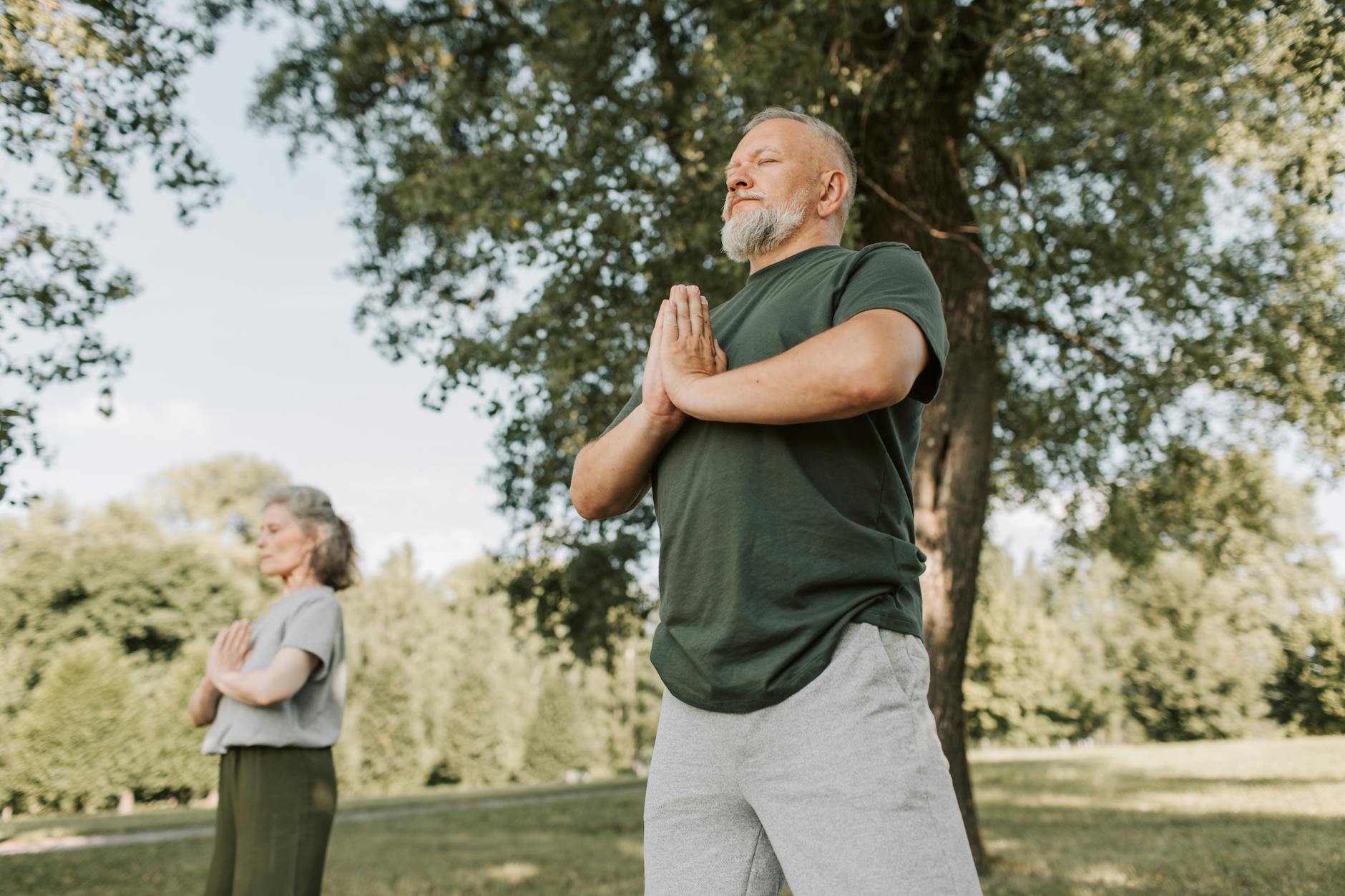
Navy SEALs use this breathing technique before operations.
If it works for them before combat, it’ll work for you before a meeting.
What Is Box Breathing?
Box breathing (also called four-square breathing) is a controlled breathing pattern.
The pattern:
- Inhale for 4 seconds
- Hold for 4 seconds
- Exhale for 4 seconds
- Hold for 4 seconds
- Repeat
That’s it. Simple but powerful.
Why It’s Called Box Breathing
The four equal parts form a square:
    Inhale (4s)
    ──────────►
    │         │
Hold│         │Hold
(4s)│         │(4s)
    │         │
    ◄──────────
    Exhale (4s)
Visual learners often find this helpful.
Why It Works
1. Activates parasympathetic nervous system
The breath holds stimulate the vagus nerve.
This triggers your “rest and digest” response, counteracting “fight or flight.”
2. Increases CO2 tolerance
The holds create mild CO2 buildup.
This has a natural calming effect.
3. Forces focus
Counting and timing requires attention.
Your mind can’t race if it’s focused on counting.
4. Breaks stress patterns
When stressed, breathing becomes shallow and fast.
Box breathing interrupts this pattern.
How to Do Box Breathing (Step by Step)
Setup:
- Sit comfortably, spine straight
- Relax your shoulders
- Close eyes (optional but helps)
- Breathe out completely to start fresh
The practice:
Inhale (4 seconds)
- Breathe in through nose
- Fill lungs completely
- Count: 1… 2… 3… 4…
Hold (4 seconds)
- Keep air in
- Don’t tense up
- Count: 1… 2… 3… 4…
Exhale (4 seconds)
- Breathe out through mouth (or nose)
- Empty lungs completely
- Count: 1… 2… 3… 4…
Hold (4 seconds)
- Lungs empty
- Stay relaxed
- Count: 1… 2… 3… 4…
Repeat for 4-8 cycles.
When to Use Box Breathing
Acute stress
- Before a presentation
- During an argument
- When you feel panic rising
- After receiving bad news
Daily practice
- Morning routine
- Before bed
- Meditation warm-up
Performance situations
- Before athletic competition
- Pre-exam
- Important meetings
- Job interviews
To improve focus
Before deep work. Before studying. Before anything requiring concentration.
A calm nervous system focuses better than a wired one.
To fall asleep
Racing thoughts keeping you awake? Box breathing slows everything down.
Try it for 5 minutes in bed. Most people don’t make it to 5 minutes before drifting off.
Anytime you notice stress
The more you practice, the faster it works.
How Long to Practice
Minimum effective dose:
4 cycles (about 1 minute)
Standard practice:
4-8 cycles (2-4 minutes)
Deep relaxation:
10-20 cycles (5-10 minutes)
Variations
Beginner (3-3-3-3)
If 4 seconds is too long:
- Inhale 3 seconds
- Hold 3 seconds
- Exhale 3 seconds
- Hold 3 seconds
Advanced (5-5-5-5 or 6-6-6-6)
As you practice, you can extend:
- Longer holds = deeper relaxation
- Don’t strain — it should feel natural
Extended exhale variation
For deeper relaxation:
- Inhale 4 seconds
- Hold 4 seconds
- Exhale 6 seconds
- Hold 4 seconds
Longer exhale = stronger parasympathetic activation.
Common Mistakes
1. Rushing
The counts should be slow, even seconds.
Most people rush when stressed. Slow down.
2. Shallow breathing
Fill your lungs completely. Use your diaphragm.
Belly should expand, not just chest.
3. Tensing during holds
Holding breath ≠ tensing body.
Stay relaxed during holds.
4. Giving up too early
First 2-3 cycles might not feel different.
The shift happens around cycle 4-6.
5. Only using when desperate
Practice when calm so it’s automatic when you’re not.
Box Breathing vs Other Techniques
Box Breathing vs 4-7-8
- Box: Equal parts, good for any stress
- 4-7-8: Longer exhale, better for sleep
Box Breathing vs Physiological Sigh
- Box: Takes 1-4 minutes, deeper relaxation
- Physiological sigh: Takes 30 seconds, faster relief
Box Breathing vs Diaphragmatic Breathing
- Box: Structured, good for acute stress
- Diaphragmatic: Continuous, good for chronic stress
Using an App
Apps help with:
- Visual guides (following a box/circle)
- Audio cues (so you don’t count)
- Timing accuracy
- Progress tracking
Breathe & Relax has a dedicated box breathing mode with visual guide.
The Navy SEAL Connection
Mark Divine, former Navy SEAL commander, popularized box breathing for stress resilience.
SEALs use it:
- Before missions
- During high-stress operations
- For recovery
If it works in combat, your work deadline is manageable.
Building a Practice
Week 1:
2 minutes box breathing after waking.
Week 2:
Add 2 minutes before a stressful situation (meeting, call, etc.).
Week 3+:
Practice whenever you notice stress.
Eventually, you won’t need to count. It becomes automatic.
FAQ
How fast does box breathing work? Most people feel calmer within 4-6 cycles (1-2 minutes).
Can I do box breathing lying down? Yes, but you might fall asleep. Sitting is better for alertness.
What if I can’t hold my breath that long? Start with 3 seconds. Build up.
Is box breathing the same as meditation? Related but different. Meditation is broader. Box breathing is a specific technique.
Can I do this during a meeting? Yes, discretely. Just breathe slowly under the table — no one will notice.
How often should I practice? Daily practice builds skill. Then use as needed.
Related reads:
- Breathing Exercises for Anxiety — more techniques
- Breathing Exercises for Sleep — bedtime use
- Guided Meditation for Beginners — pair with meditation
Sources
- NCCIH — Meditation and Mindfulness: What You Need To Know
- NCCIH — Relaxation Techniques: What You Need To Know
This article is general information, not medical advice. Talk to a qualified professional about anything affecting your health.
— Dolce

Comments
Comments powered by Giscus. Sign in with GitHub to comment.