Anxiety and Stress Relief Supplements Worth Your Money
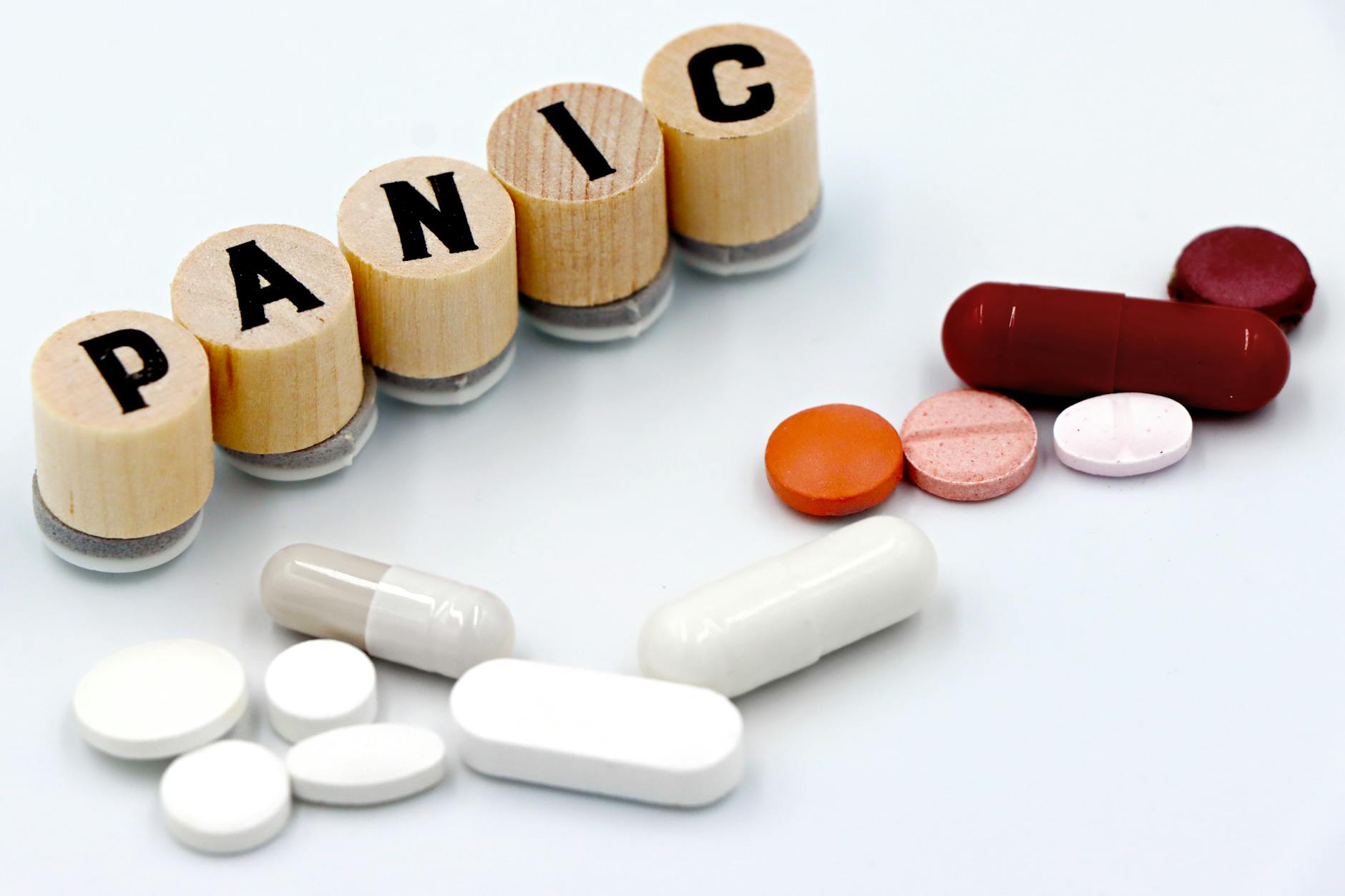
The supplement industry is a mess. Walk into any store and you will find hundreds of bottles promising to melt your stress away. Most of them are expensive placebos. Some are genuinely useful. And a few can actually interfere with medications you might already be taking. Sorting through anxiety and stress relief supplements should not require a pharmacology degree. But here we are.
Let me save you some time and money. Here is what the research actually supports.
The Science Behind Stress Supplements
Stress is a chemical process. When your brain perceives a threat, it triggers cortisol and adrenaline. These hormones are useful in genuine emergencies. They are destructive when they fire constantly over deadlines, social situations, and everyday life.
Anxiety and stress relief supplements work by targeting different parts of this chemical chain. Some lower cortisol. Some boost calming neurotransmitters like GABA and serotonin. Some support your nervous system so it recovers faster after stress hits.
None of them are magic pills. They are tools. And tools only work when combined with the right habits.
Supplements With Strong Research Support
Magnesium
Most people are deficient and do not know it. Magnesium plays a role in over 300 biochemical reactions in your body, including nervous system regulation. Studies consistently link low magnesium to higher anxiety levels.
The best forms for stress are magnesium glycinate and magnesium threonate. Glycinate is calming and easy on the stomach. Threonate crosses the blood-brain barrier more effectively.
Dose: 200-400mg daily. Take it in the evening. It also improves sleep quality, which compounds the stress-relief benefit.
Ashwagandha
This is the most studied adaptogen for anxiety. Multiple randomized controlled trials show ashwagandha reduces cortisol levels by 20-30% and significantly lowers self-reported stress scores.
Look for KSM-66 or Sensoril extracts. These are standardized and used in most clinical studies. Generic "ashwagandha root powder" is inconsistent in potency.
Dose: 300-600mg daily of a standardized extract. Effects typically take two to four weeks to notice.
L-Theanine
Found naturally in green tea. L-theanine promotes alpha brain waves, the same state associated with calm focus and meditation. It takes effect within 30-60 minutes and does not cause drowsiness.
This is a good option for situational anxiety. A presentation coming up. A flight you are nervous about. Take it as needed.
Dose: 100-200mg. Can be taken daily or as needed.
Omega-3 Fatty Acids
Chronic inflammation contributes to anxiety. Omega-3s, specifically EPA and DHA from fish oil, reduce inflammation and support brain function. Several meta-analyses show meaningful anxiety reduction at higher doses.
Dose: 1000-2000mg of combined EPA/DHA daily. Quality matters here. Look for third-party tested brands to avoid heavy metal contamination.
Supplements With Mixed or Limited Evidence
Rhodiola Rosea
Another adaptogen. Some studies show modest stress reduction, but the research is thinner than ashwagandha. It may help with fatigue-related stress more than generalized anxiety. Worth trying, but manage expectations.
Valerian Root
Often marketed for anxiety and sleep. The evidence is inconsistent. Some people swear by it. Clinical trials are split. It also smells terrible. Not the first supplement I would reach for.
CBD
The hype exceeded the evidence for years. Recent studies are catching up and show some promise for social anxiety specifically. But dosing is all over the map, product quality varies wildly, and it can interact with medications. Proceed with caution.
What to Avoid
Proprietary blends. If a label says "stress blend 500mg" without listing individual ingredient amounts, skip it. You have no idea what you are actually taking.
Mega-doses of B vitamins. B vitamins support energy metabolism and nervous system function, but mega-dosing has not been shown to reduce anxiety in people who are not deficient. Save your money.
Anything promising instant results. Supplements are not drugs. They work gradually through consistent use. If something claims to eliminate anxiety in 30 minutes, it is either lying or it contains something undisclosed.
Supplements Are Not the Whole Answer
This needs to be said directly. Anxiety and stress relief supplements can help, but they are one layer. Breathwork is another layer that costs nothing and works immediately. Check out our guide on breathing exercises for sleep which also covers techniques for calming acute anxiety.
Breathing Exercises is a free app that walks you through proven techniques for lowering stress in real time. Pair it with the right supplement stack and you are covering both the biochemical and the behavioral sides of stress management.
Exercise, sleep, nutrition, and social connection all matter too. No supplement compensates for sleeping four hours a night and running on caffeine.
How to Start Without Wasting Money
Pick one supplement from the strong evidence list. Try it for 30 days. Track how you feel. If it helps, keep it. If it does not, try the next one.
Do not stack five supplements at once. You will not know which one is working. And your wallet will feel the pain before your anxiety does.
Stress is not weakness. It is chemistry. Address the chemistry intelligently and you gain an edge.
-- Dolce
FAQ
Can anxiety supplements replace medication?
No. Supplements are not a substitute for prescribed medication, especially for diagnosed anxiety disorders. If you are currently on medication, talk to your doctor before adding any supplements. Some can interact with SSRIs, benzodiazepines, and other prescriptions.
How long do stress relief supplements take to work?
It depends on the supplement. L-theanine works within 30-60 minutes. Ashwagandha and magnesium typically take two to four weeks of consistent use before you notice meaningful changes. Patience and consistency are required.
Are natural supplements safe for everyone?
Not necessarily. Pregnant or nursing women, people with autoimmune conditions, and those on blood thinners should consult a doctor first. Natural does not automatically mean safe. Dosage, quality, and individual health conditions all matter.
What is the best supplement stack for anxiety?
A solid starting stack is magnesium glycinate in the evening and L-theanine as needed during the day. Add ashwagandha if you want adaptogenic support for chronic stress. Keep it simple, track your response, and adjust from there.

Comments
Comments powered by Giscus. Sign in with GitHub to comment.