Wall Pilates for Beginners: The Full Guide
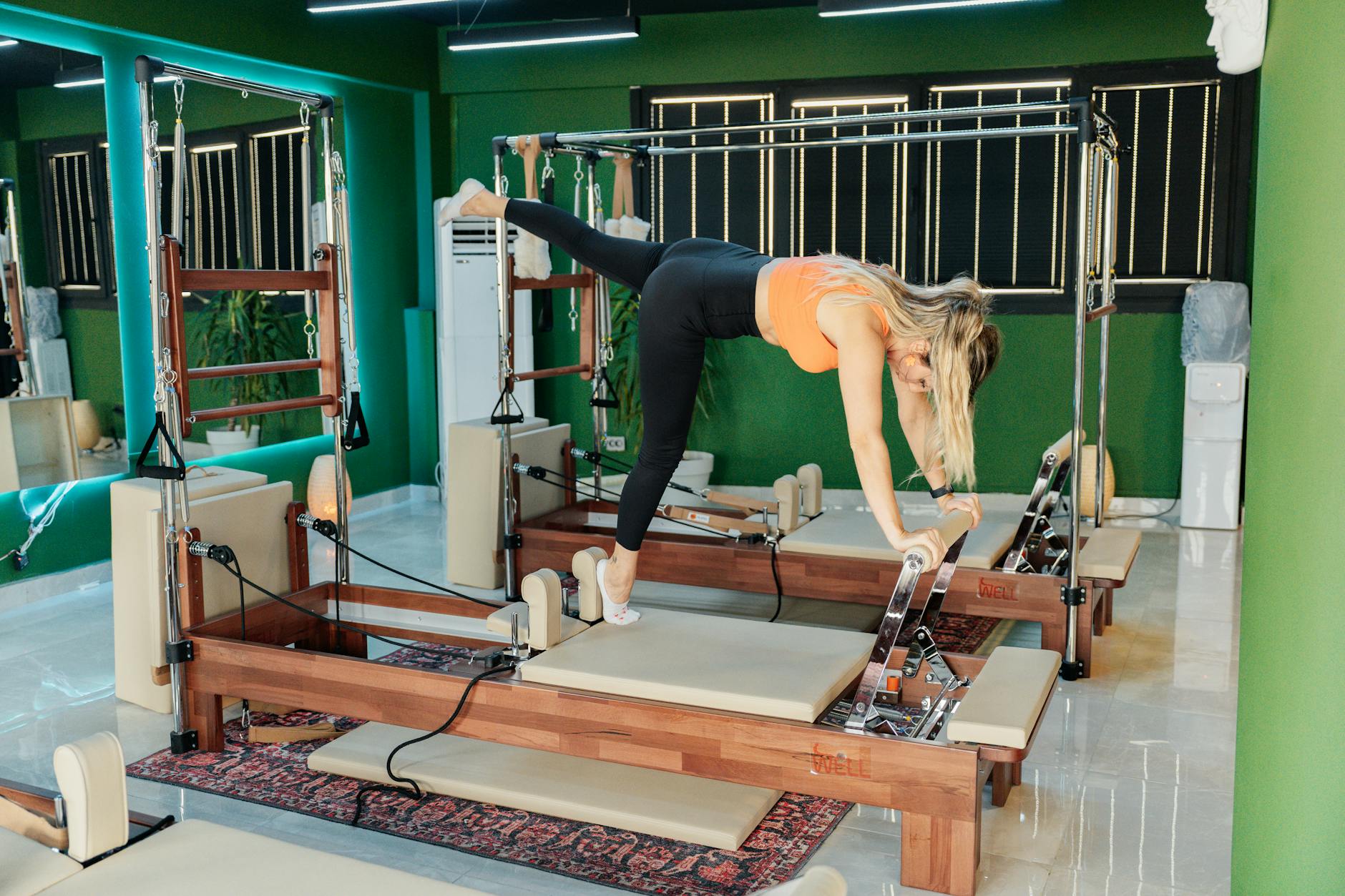
Traditional pilates intimidates people. The reformer machines look like medieval torture devices. The classes assume you already know what a "neutral spine" means. And the price tag makes your wallet cry.
Here is the secret nobody in the pilates industry wants you to know. Wall pilates for beginners delivers the same benefits with zero equipment cost. All you need is a flat wall and fifteen minutes.
That is not an exaggeration. The wall replaces the reformer. It gives you feedback, support, and resistance all at once.
What Is Wall Pilates and Why Does It Work
Wall pilates uses a wall as your primary prop. The wall provides stability so you can focus on form instead of balance. It creates resistance for strengthening moves. It gives your body feedback about alignment.
For beginners, this changes everything. The number one reason people quit pilates is frustration with form. The wall solves that problem instantly.
You feel the wall against your back. You know immediately if your spine is aligned. No guessing. No wondering if you are doing it right.
Essential Wall Pilates Exercises for Beginners
Wall Roll Down
Stand with your back flat against the wall. Feet about a foot away from the base. Slowly peel your spine off the wall, one vertebra at a time, starting from the neck. Roll down as far as comfortable. Roll back up the same way.
This teaches spinal articulation. It is the foundation of every pilates movement. 6 reps.
Wall Sit
Slide your back down the wall until your thighs are parallel to the floor. Knees at 90 degrees. Hold.
Your quads will burn. Your core will engage to keep you stable. This is wall pilates for beginners at its most straightforward. Start with 20-second holds and build to 60 seconds.
Wall Push-Up
Face the wall. Hands at shoulder height, slightly wider than shoulder width. Bend your elbows and lower your chest toward the wall. Push back.
Easier than floor push-ups but still effective. You control the difficulty by adjusting your foot distance from the wall. Farther away means harder. 12 reps.
Wall Leg Lift
Stand with your back against the wall. Slowly lift one leg forward to hip height. Hold for three seconds. Lower with control.
This fires up your hip flexors and lower abs while the wall keeps your posture honest. 10 reps per side.
Wall Bridge
Lie on the floor with your feet flat on the wall, knees bent at 90 degrees. Press your feet into the wall and lift your hips. Hold at the top for three seconds.
The wall gives you a stable surface to push against. Your glutes and hamstrings do the heavy lifting. 12 reps.
Wall Plank
Face the wall. Place your forearms flat against it. Walk your feet back until your body forms a straight line at an angle. Hold.
This is a plank with reduced bodyweight resistance. Perfect for building core strength before hitting the floor version. 30-second holds.
Toe Taps on the Wall
Lie on your back. Feet on the wall with knees bent at 90 degrees. Slowly slide one foot down the wall while keeping your core braced. Bring it back up. Switch sides.
This targets the deep transverse abdominis. Slow and controlled wins the race. 10 reps per side.
Your 20-Minute Wall Pilates Routine
Do this sequence three to four times per week.
Warm-up (3 minutes)
- Wall Roll Down: 6 reps
- Wall Leg Lift: 8 reps per side
Main Circuit (14 minutes, 2 rounds)
- Wall Sit: 30-second hold
- Wall Push-Up: 12 reps
- Wall Bridge: 12 reps
- Wall Plank: 30-second hold
- Toe Taps on the Wall: 10 reps per side
- Rest 45 seconds between rounds
Cool-down (3 minutes)
- Wall Roll Down: 4 slow reps
- Standing hamstring stretch using the wall: 30 seconds per side
Common Mistakes to Avoid
Feet too close to the wall. For wall sits and roll downs, keep your feet at least twelve inches from the base. Too close and you lose the resistance angle.
Rushing through movements. Pilates is about control, not speed. Each rep should take three to four seconds minimum. If you are flying through sets, slow down.
Forgetting to breathe. Inhale through the nose on the easier phase. Exhale through the mouth on the effort phase. Holding your breath creates tension that works against you.
Arching your lower back. The wall is your cheat sheet. If your lower back lifts off the wall during standing exercises, you have lost your core engagement. Reset and try again.
Progressing Beyond the Wall
After four to six weeks of consistent wall pilates, you will notice significant improvements in core strength, posture, and flexibility. That is when you can start transitioning to floor-based pilates and more challenging variations.
For a structured progression plan, check out our home workout guide. Track your wall pilates sessions with GymCoach and use Workout Timer to nail your hold times and rest periods.
The wall is not a crutch. It is a tool. Use it until you have built the foundation, then take what you have learned to the floor.
Start tonight. Pick a wall. Do the routine. That is the whole plan.
-- Dolce
FAQ
Is wall pilates effective for weight loss?
Wall pilates burns fewer calories than high-intensity training, but it builds lean muscle that raises your resting metabolism. Combined with reasonable nutrition, it absolutely supports weight loss. The real value is that beginners stick with it because it is accessible and low-impact.
How is wall pilates different from regular pilates?
The wall replaces equipment like the reformer. It provides feedback for alignment, support for balance, and resistance for strengthening. The principles are identical. The execution is more beginner-friendly and requires zero investment beyond a flat wall.
Can wall pilates help with back pain?
Many people report significant back pain relief from consistent wall pilates practice. The exercises strengthen core stabilizers and improve posture, which are two of the biggest factors in back pain. Always consult a doctor if your pain is severe or chronic.
How long until I see results from wall pilates?
You will feel stronger within two weeks. Visible postural improvements typically show up around four weeks. Muscle tone and flexibility changes become obvious at the six to eight week mark if you train three to four times per week.


Comments
Comments powered by Giscus. Sign in with GitHub to comment.