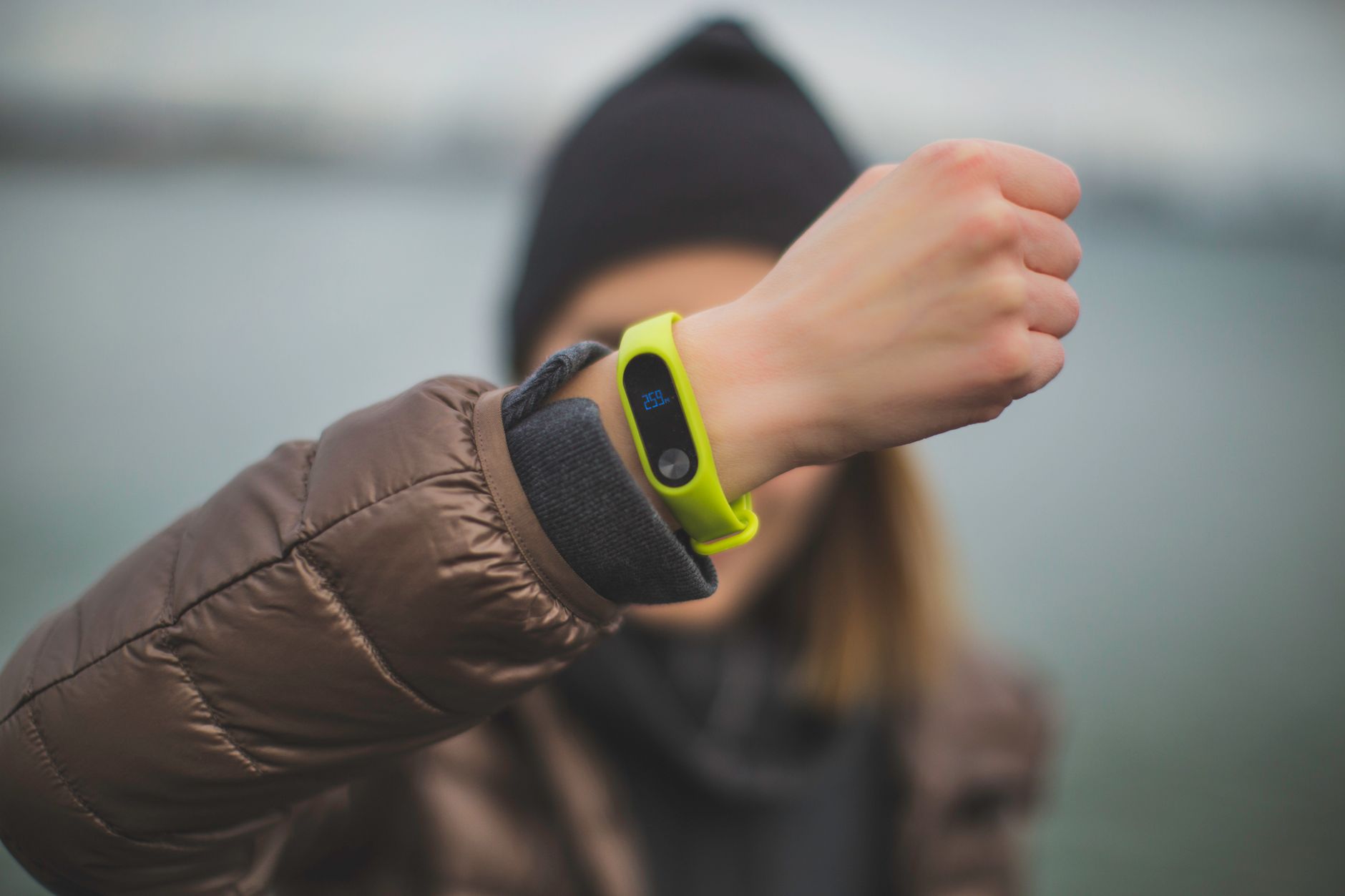
Here's a number that should bother you: the average myfitnesspal food tracker user quits within 11 days. Eleven days. That's not a willpower problem. That's a design problem.
Millions of people download what is arguably the most famous food tracking app on the planet, battle through a clunky onboarding flow, manually log a few meals, get frustrated by duplicate database entries, and silently delete the app.
Something is fundamentally broken with this experience. Let's talk about what, and what to do instead.
The Database Problem With MyFitnessPal Food Tracker
MyFitnessPal's greatest asset is also its greatest liability: the food database.
With over 14 million entries, it sounds impressive on paper. In practice, it means searching for "chicken breast" returns dozens of conflicting results. One entry says 165 calories. Another says 280. A third says 120. They're all supposedly for 4 ounces of the same food.
This happens because most entries are user-submitted and unverified. You're building your nutrition plan on crowdsourced data with no quality control. That's like navigating with a map drawn by strangers — some of whom clearly never weighed a piece of chicken in their life.
The illusion of precision while delivering chaos. That's the core issue. And you wonder why your calorie targets never produce the results they promise.
The Feature Bloat Nobody Asked For
Somewhere along the way, MyFitnessPal decided it needed to be a social network, a recipe platform, a meal planner, a blog, and a premium subscription service — all at once.
The core job is simple: help me log what I eat and tell me if I'm on track. That should take 30 seconds per meal. Instead, you're navigating past banner ads, premium upsells, community challenges, and a news feed you never wanted.
Feature bloat kills apps. The reason simpler tools like a focused calorie calculator feel so much better is because they do one thing well instead of twelve things poorly.
Every feature added to a food tracker that isn't about faster, more accurate logging is a distraction. Distractions create friction. Friction creates abandonment. This is why the average user barely lasts two weeks.
What You Actually Need From a Food Tracker in 2026
The best food tracker is the one you'll use for more than 11 days. Full stop.
That means three things need to be true:
It must be fast. Sub-10-second meal logging. Frequent foods remembered. Smart suggestions based on time of day and past behavior. Your Tuesday lunch is probably similar to last Tuesday's lunch. The app should know that.
It must be accurate. Verified database entries. No duplicates. When you search for a banana, you get one result with the right number. Not seventeen entries ranging from 60 to 200 calories for the same piece of fruit.
It must be quiet. No social feed. No gamification guilt. No push notifications reminding you that you forgot to log your afternoon snack. Just a clean tool that's there when you need it and invisible when you don't.
Our calorie calculator app was built on exactly this philosophy. Calculate your target, track against it, adjust. That's the whole game. Nothing more.
A Smarter Approach to Food Tracking
Forget logging everything. That approach has a body count measured in millions of abandoned accounts.
Here's what actually works: photo-first tracking with weekly reviews.
Snap a photo of every meal. Takes two seconds. No database searching, no weighing, no entry selection. At the end of each week, sit down for 15 minutes and review your photos. You'll spot the patterns instantly — the oversized portions, the sneaky snacks, the meals that are all carbs and no protein.
This method works because it removes the friction that kills compliance. You're not fighting with a database at every meal. You're capturing data passively and reviewing it intentionally.
Once you know your patterns, then you can bring in a proper tracker to quantify the specific meals that matter most. Targeted tracking beats comprehensive tracking every single time. You don't need to weigh your broccoli. You need to know that your weekend eating adds 3,000 extra calories.
The people who get the most from food tracking aren't the most meticulous loggers. They're the ones who figured out which meals to pay attention to and ignored the rest. Selective attention beats exhaustive record-keeping.
Pair Nutrition Tracking With the Right Habits
Food tracking in a vacuum produces anxiety. Food tracking paired with structured movement produces results.
The reason is context. When you're training consistently, you have a reason for the numbers. Protein intake matters because you're building muscle. Calorie targets matter because you have performance goals. The tracking serves something bigger than itself.
Without that context, you're just staring at numbers and feeling bad about the cookie you had at 3pm. That's not a nutrition strategy. That's self-surveillance.
Same principle applies to hydration. People who track water intake alongside food consistently report feeling more in control of their overall health picture. A water tracker app takes 5 seconds per entry and removes one more variable from the equation. Dehydration triggers false hunger signals — fixing that alone can eliminate hundreds of phantom calories from your daily intake.
The Real Metric Nobody Tracks
Here's what your myfitnesspal food tracker will never tell you: how you feel after eating.
Energy levels at 2pm. Sleep quality after a heavy dinner. Mental clarity after a protein-rich lunch versus a carb-heavy one. The afternoon crash that follows your usual sandwich. The sustained energy you feel after a meal with adequate fat and protein. These subjective data points are worth more than any calorie count.
The people who build genuinely healthy relationships with food aren't the ones with the most detailed food logs. They're the ones who learned to connect what they eat with how they feel — and adjusted accordingly.
Use a tracker to build awareness. Use awareness to build intuition. Then let the tracker go.
That's the path nobody in the myfitnesspal food tracker ecosystem wants you to take, because it ends with you not needing the app anymore. Which, frankly, should be the goal of any tool worth using.
-- Dolce

Comments
Comments powered by Giscus. Sign in with GitHub to comment.