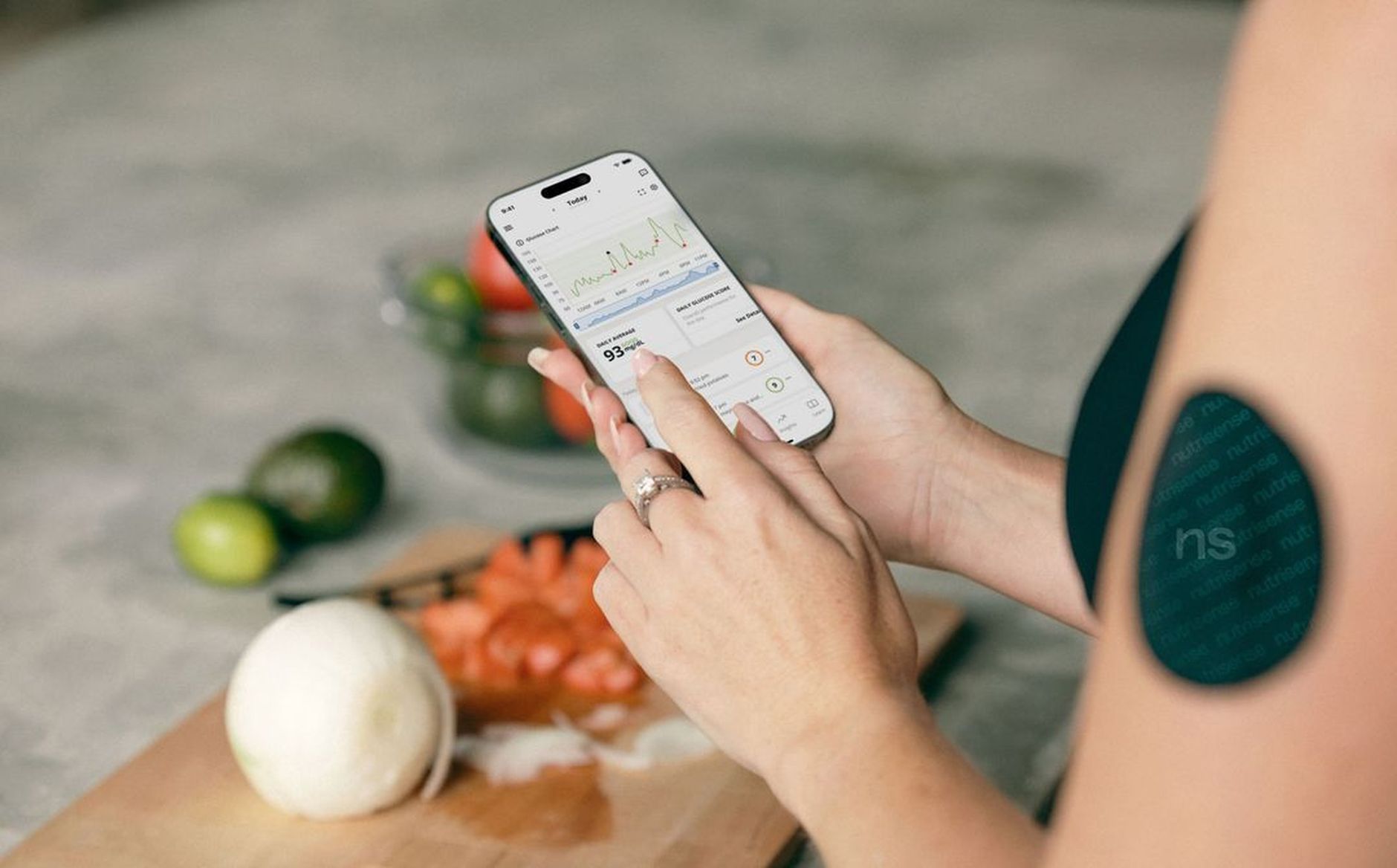
The Problem With Calorie Tracking
You have tried to count calories before. You downloaded an app. Logged breakfast. Maybe lunch. By dinner you forgot. By day three you deleted the app entirely.
It is not your fault. Most calorie tracking apps are bloated, confusing, and designed to sell you a premium subscription before you even log your first meal. The calorie king app was one of the originals in the food database space, and people still search for it today. But the landscape has changed. There are better options now.
Let us break down what you actually need from a calorie tracker and which apps deliver.
What Made the Calorie King App Popular
CalorieKing built its reputation on one thing: a massive food database. Before smartphones, their website and book were go-to references for nutritional information. The calorie king app carried that database into the mobile era.
The appeal was simplicity. Look up a food, see the calories, done. No complicated macro ratios. No meal plans. Just raw data.
But simplicity became a limitation. Modern calorie trackers do everything CalorieKing does plus barcode scanning, recipe builders, macro breakdowns, progress tracking, and integration with fitness wearables.
What to Look for in a Calorie Tracking App
Before you download anything, know what matters.
Database Size and Accuracy
A tracker is only as good as its food database. You need verified entries, not user-submitted guesses that say a banana has 300 calories. Look for apps with curated databases that pull from USDA and manufacturer data.
Speed of Logging
If it takes more than 30 seconds to log a meal, you will stop using it. Barcode scanning, recent foods, and quick-add buttons are non-negotiable features in 2026.
Macro and Micronutrient Tracking
Calories matter, but so do protein, carbs, and fat. Some apps also track fiber, sodium, and vitamins. Decide how granular you need to get based on your goals.
Clean Interface
No ads slapped across every screen. No pop-ups begging for upgrades every time you open the app. You need a tool, not a sales funnel.
Top Calorie King App Alternatives in 2026
Here is what actually works right now.
Option 1: A Simple, Focused Calorie Calculator
Sometimes you do not need a full food diary. You need to know your daily target and track against it without complexity. A straightforward calorie calculator that gives you your number based on age, weight, activity level, and goal is often all you need to get started.
This approach works especially well for people who have failed with complex tracking apps. Start with a daily target. Estimate portions. Graduate to detailed logging later if you want.
Option 2: Full-Featured Food Diary Apps
Apps like Cronometer and MacroFactor offer verified databases, macro tracking, and adaptive algorithms that adjust your targets based on real weight trends. They cost money. But they work.
Cronometer is best for micronutrient nerds who want to track vitamin D and potassium. MacroFactor is best for people who want the app to adjust their calories automatically based on progress.
Option 3: AI-Powered Photo Logging
Newer apps let you snap a photo of your plate and get an estimated calorie count. The accuracy is not perfect, but it is improving fast. For people who absolutely refuse to type food names into a search bar, this is the compromise.
Why the Calorie King App Search Still Matters
People searching for the calorie king app want something specific: reliable calorie data without nonsense. That instinct is right. The best calorie tracker is the one you actually use.
Read our full calorie calculator guide to understand how your daily target is calculated and why most online calculators get it wrong.
How to Actually Stick With Calorie Tracking
The app does not matter if you quit after a week. Here is how to make it stick.
Log before you eat, not after. This turns tracking into a planning tool instead of a guilt journal.
Do not aim for perfection. If you track 5 out of 7 days, you are doing better than 90% of people.
Prep your meals in batches. When you eat the same lunch four days a week, you only have to log it once.
Stay hydrated. Thirst signals get confused with hunger. Use a WaterDrop alongside your calorie app to stay on top of both.
The Bottom Line
The calorie king app served its purpose. It proved that a big food database on your phone could change how people eat. But the game has moved on. You have better tools now. Pick one that fits how you actually live, log consistently, and stop overthinking it.
FAQ
Is the CalorieKing app still available?
CalorieKing still maintains a website and food database, but the standalone app has not kept pace with modern alternatives. Their core food data remains solid, but the user experience lags behind newer calorie tracking apps.
What is the most accurate calorie tracking app?
Cronometer is widely considered the most accurate because it relies heavily on verified USDA and manufacturer data rather than crowd-sourced entries. For a simpler starting point, a basic calorie calculator can establish your daily target.
Do I need to track calories to lose weight?
No, but it helps. Calorie tracking removes guesswork. Most people underestimate how much they eat by 30-50%. Even tracking for two weeks can teach you enough about portion sizes to make better choices long-term.
How many calories should I eat per day?
It depends on your age, weight, height, activity level, and goal. A sedentary adult woman typically needs 1600-2000 calories. A sedentary adult man typically needs 2000-2400 calories. Active individuals need more.
-- Dolce
Comments
Comments powered by Giscus. Sign in with GitHub to comment.