Calorie Counter Calculator Food: Your No-Nonsense Guide
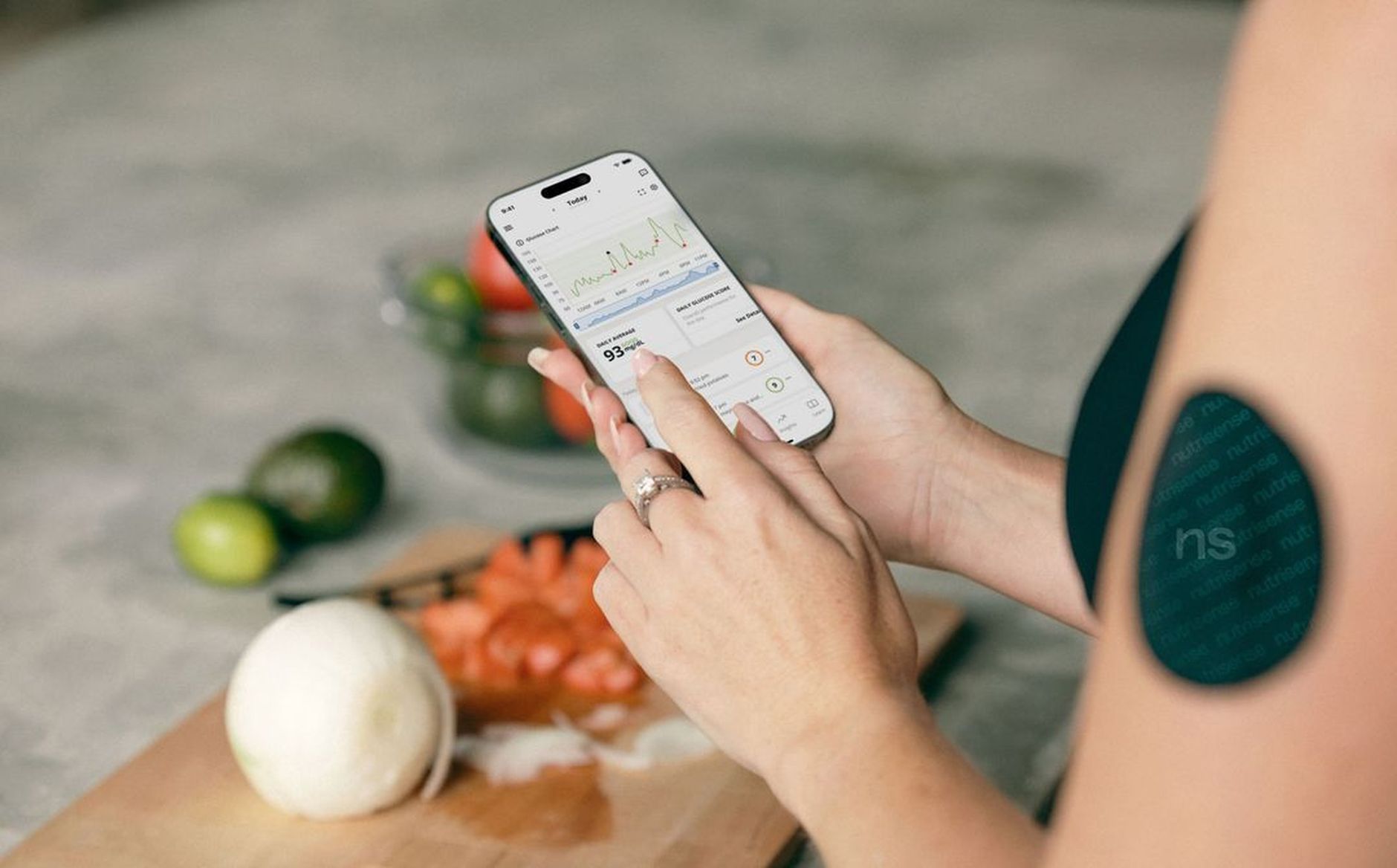
You've read the nutrition labels. You've Googled "calories in avocado" more times than you'd admit. But there's a difference between vaguely knowing that a banana is about 100 calories and actually understanding how a calorie counter calculator food tool can restructure your entire approach to eating. One is trivia. The other is a system.
Most people fail at calorie counting not because they lack willpower, but because they lack a reliable method. Let's fix that.
What a Calorie Counter Calculator Food Tool Actually Does
At its core, a calorie counter calculator for food does three things:
- Identifies the food: Either through a database search, barcode scan, or manual entry.
- Calculates per portion: Adjusts the nutritional data based on how much you actually ate, not the generic serving size on the label.
- Tracks cumulative intake: Adds your meals and snacks together against your daily target.
Sounds simple. The devil is in execution. The difference between a calculator that works and one that doesn't comes down to database size, portion flexibility, and speed of entry.
A solid database needs 500,000+ food items minimum. Anything less and you're constantly dealing with "food not found" frustrations that make you abandon tracking within a week.
Setting Your Calorie Target: The Math That Matters
Before you count a single calorie, you need to know your number. Here's the no-nonsense approach:
Step 1: Calculate Basal Metabolic Rate (BMR)
Mifflin-St Jeor equation (the most accurate for most people):
- Men: (10 x weight in kg) + (6.25 x height in cm) - (5 x age) + 5
- Women: (10 x weight in kg) + (6.25 x height in cm) - (5 x age) - 161
Step 2: Apply Activity Multiplier
- Sedentary (desk job, no exercise): BMR x 1.2
- Lightly active (exercise 1-3 days/week): BMR x 1.375
- Moderately active (exercise 3-5 days/week): BMR x 1.55
- Very active (exercise 6-7 days/week): BMR x 1.725
Step 3: Adjust for Goal
- Fat loss: Subtract 300–500 calories (no more — larger deficits kill adherence)
- Maintenance: Stay at the calculated number
- Muscle gain: Add 200–300 calories
For example, a 30-year-old man, 80kg, 178cm, moderately active: BMR = (10 x 80) + (6.25 x 178) - (5 x 30) + 5 = 1,767.5 TDEE = 1,767.5 x 1.55 = 2,740 calories Fat loss target = 2,240–2,440 calories
Our calorie calculator guide breaks this down further with examples for different body types and goals.
The Foods That Fool Your Calculator
Some foods are easy to track accurately. A chicken breast is a chicken breast. But others are calorie estimation landmines:
Cooking Oils and Fats
One tablespoon of any cooking oil: 120 calories. Most people use 2–3 tablespoons per pan without measuring. That's an untracked 240–360 calories per meal. Start measuring your oil with an actual tablespoon. You'll be horrified.
Sauces and Dressings
A "drizzle" of ranch dressing is usually 3 tablespoons (210 calories). Soy sauce is low-calorie but loaded with sodium. Peanut sauce is 80+ calories per tablespoon. Always log the condiments.
Nuts and Dried Fruit
A "handful" of almonds varies wildly between people. For small hands, that's maybe 15 almonds (100 calories). For large hands, 30+ almonds (200+ calories). Weigh nuts until you've calibrated your serving size.
Fruits
Fruit is healthy, but it's not calorie-free. A large banana is 120 calories. A large mango is 200. A cup of grapes is 100. People who eat 4–5 servings of fruit daily are adding 400–600 calories that often go unlogged because fruit feels virtuous.
Building a Food Calorie Database That Works for You
Here's the workflow that separates people who track for a week from people who track for a year:
Week 1: Log everything in real-time. Use barcode scanning for packaged foods. Search the database for whole foods. Save every meal you log.
Week 2: Start using saved meals. Your breakfast should be a one-tap entry by now. Same with your most common lunches.
Week 3: Create custom recipes. If you make the same stir-fry every Tuesday, enter all ingredients once, save it as a recipe, and log it with a single tap forever.
Month 2 onward: You have a personal food library. Logging takes 2–3 minutes per day total. You're on autopilot.
This is why a calorie counter calculator food app with a good save-and-recall system beats a spreadsheet every time. Efficiency is what keeps the habit alive.
Macros vs. Calories: Do You Need Both?
Hot take: if you're just starting out, ignore macros entirely. Just hit your calorie target for 30 days. Macro tracking adds complexity that causes analysis paralysis for beginners.
Once you're comfortable with calorie counting and it's become second nature, then layer in macros:
- Protein first: Set at 1.6–2.2g per kg of body weight. Hit this number every day.
- Fat minimum: Don't drop below 0.7g per kg. Hormonal health depends on it.
- Carbs fill the rest: Whatever calories remain after protein and fat are accounted for.
This hierarchy matters. Protein and fat have minimums for health. Carbs are the flexible variable. Most macro-tracking tools let you set these individually — use that feature once you're ready.
The Best Way to Handle Cheat Meals
You're going to eat pizza. You're going to have birthday cake. The question isn't whether — it's how to handle it in your calorie counter.
Option 1: Log it honestly and move on. A 3,000-calorie day in a week of 2,300-calorie days means your weekly average is 2,400. That's barely a blip.
Option 2: Bank calories. Eat 200 fewer calories on the three days before a planned dinner out. This gives you an extra 600-calorie buffer. Not obsessive — strategic.
Option 3: Don't log and just estimate. Fine occasionally, but if "occasionally" becomes twice a week, your data becomes unreliable.
Never skip logging the day after an indulgence. That's when most people spiral — they feel guilty, stop tracking, and don't come back for weeks.
Choosing the Right Food Calorie Calculator
You need three things: a massive food database, fast entry methods (barcode scanning is non-negotiable), and the ability to save custom meals and recipes. Everything else is nice-to-have.
A calorie calculator app that checks these boxes turns a 15-minute daily chore into a 3-minute habit. That time savings is the difference between tracking for a month and tracking for a year.
Final Word
A calorie counter calculator food tool doesn't judge your choices. It just tells you the truth about them. And that truth — not motivation, not willpower, not the latest diet trend — is what actually drives lasting change. Measure first. Optimize second. Results follow.
-- Dolce
Comments
Comments powered by Giscus. Sign in with GitHub to comment.